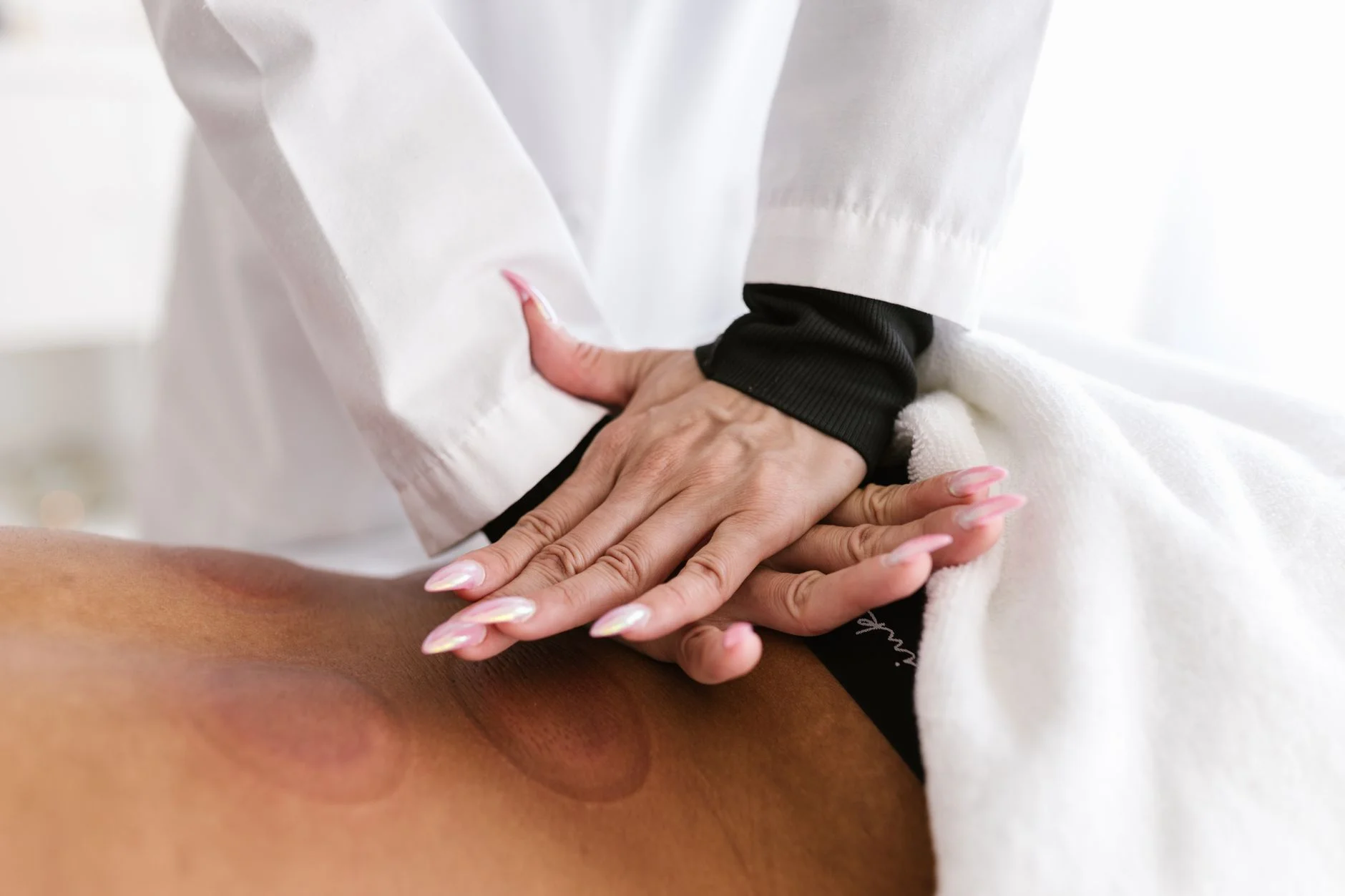
Lymphatic drainage has had a moment — and like most wellness treatments that go viral, it has arrived in public consciousness wrapped in a mix of legitimate science, genuine hype, and Instagram exaggeration. Celebrities endorse it. Influencers film their sessions. And somewhere between "it detoxed my entire body" and "complete pseudoscience," the actual clinical picture has gotten lost.
So let us look at what lymphatic drainage therapy genuinely does, who it is clinically useful for, and when it is simply a pleasant but overpriced experience.
The Lymphatic System: A Brief Primer
The lymphatic system is a network of vessels and nodes that runs parallel to the circulatory system. Its primary jobs are to drain excess fluid from tissues, transport immune cells, and remove metabolic waste products. Unlike blood, which is pumped by the heart, lymph fluid moves through the vessels primarily by muscle contraction, breathing, and body movement.
When the lymphatic system is working optimally, fluid does not accumulate, immune response is efficient, and post-exertion recovery is faster. When it is sluggish — due to surgery, sedentary lifestyle, illness, or poor circulation — fluid backs up, causing swelling, heaviness, and a sense of persistent puffiness.
This is where compression therapy comes in.
What Clinical Compression Therapy Actually Does
The Lymphastim system used at House of Aetheria is a sequential pneumatic compression device — a medical-grade tool, not a massage table. Fitted sleeves or garments are applied to the limbs or body, and programmed air pressure waves move through the device in precise, sequential pulses that mechanically replicate and enhance the body's lymphatic drainage action.
The clinical effects are well-established:
| Clinical Benefit | Evidence Base | Best Applicable Population |
|---|---|---|
| Reduces post-surgical oedema | Strong — used in post-liposuction and surgical recovery protocols globally | Post-surgical patients (liposuction, rhinoplasty, hair transplant) |
| Accelerates removal of metabolic waste from muscle | Moderate — supported by sports medicine research | Athletes and gym-goers with DOMS / overtraining |
| Reduces peripheral fluid retention | Strong — used in lymphoedema management | Patients with chronic leg swelling |
| Supports detoxification pathways | Moderate — improved lymphatic flow aids hepatic waste processing | Post-IV therapy, wellness-seeking patients |
| Reduces appearance of cellulite | Moderate — consistent with fluid drainage effect | Patients with fluid-driven cellulite component |
Post-Surgical Recovery: Where the Evidence Is Strongest
The single most established application of lymphatic drainage therapy is post-surgical recovery — particularly after procedures that disrupt the lymphatic vessels in the treated area.
After liposuction, the body's inflammatory response causes significant fluid accumulation in the operated areas. Without lymphatic support, this fluid can take 6–10 weeks to resolve fully, contributing to prolonged swelling, firmness, and discomfort. With regular compression therapy sessions starting approximately 1 week post-procedure, that timeline compresses substantially — in clinical practice, well-managed post-liposuction patients typically achieve significantly better early results and comfort.
"I almost always recommend lymphatic drainage as part of the post-operative protocol after liposuction," says Dr. Rahul Jain. "The surgery removes the fat. But how quickly and comfortably a patient heals, and how clearly they see their results, depends significantly on how well the post-surgical fluid is managed. Compression therapy is not optional in my view — it is part of the procedure."
The same principle applies after rhinoplasty (facial oedema), hair transplant (scalp swelling), and blepharoplasty.
Who Else Benefits — Beyond Post-Surgical Patients
- Frequent flyers and long-haul travellers: Prolonged cabin pressure and immobility impair lymphatic return from the legs.
- Gym-goers with persistent DOMS: Compression therapy accelerates lactate clearance and reduces delayed-onset muscle soreness.
- Desk-bound professionals: Sedentary hours compress lymphatic vessels in the lower body, contributing to leg heaviness and puffiness.
- Patients undergoing IV drip therapy: Enhanced lymphatic flow supports the downstream processing of nutrients and detox compounds delivered via IV.
What a Session Feels Like
A session at House of Aetheria takes 30–45 minutes. The compression sleeves inflate and release in a rhythmic, wave-like sequence that most patients describe as deeply relaxing — similar to a firm, methodical massage but without manual manipulation. There is no discomfort, no recovery period, and most patients feel noticeably lighter and less puffy immediately post-session.
The bottom line: lymphatic drainage therapy is neither a miracle cure nor mere hype. For post-surgical patients, it is clinically meaningful and genuinely accelerates recovery. For athletes and high-output professionals, it is one of the most time-efficient recovery tools available. The question is not whether it works — it is whether you are the right patient for it right now.