You have done everything that is supposed to work. You track your food. You exercise four times a week. You have cut out sugar, tried intermittent fasting, consulted a nutritionist, downloaded three different apps. And the scale has barely moved in months.
This is not a willpower problem. In many cases, it is a metabolic one — and it requires a clinical approach, not another version of the same advice you have already tried.
Medical weight management is not a stricter diet plan. It is a structured, doctor-supervised programme that starts by diagnosing why the weight is not moving, before prescribing what to do about it.
Why Generic Diets Fail a Specific Type of Patient
The assumption behind most commercial diet programmes is that caloric deficit equals fat loss. For a significant proportion of adults — particularly those over 35, those who have experienced pregnancy-related hormonal shifts, and those with chronic high-stress lifestyles — this equation is incomplete.
Several physiological factors can make standard weight-loss approaches ineffective:
- Insulin resistance: Cells become less responsive to insulin, making fat storage the path of least resistance regardless of caloric intake.
- Elevated cortisol: Chronic stress keeps cortisol chronically high, which directly promotes abdominal fat accumulation and muscle breakdown.
- Thyroid dysfunction: Even subclinical hypothyroidism slows metabolic rate significantly.
- Leptin resistance: The hormone that signals fullness becomes dysregulated, making portion control genuinely harder than it should be.
- Post-pregnancy hormonal shifts: Oestrogen-progesterone imbalances after childbirth alter where and how the body stores fat.
None of these are addressed by a calorie-counting app.
What Medical Weight Management at House of Aetheria Actually Involves
The programme begins with assessment — not prescription. Before any intervention is recommended, baseline bloods are reviewed (including fasting insulin, thyroid panel, cortisol, lipid profile, and relevant hormones), body composition is measured (distinguishing fat mass from lean mass and visceral fat from subcutaneous fat), and lifestyle factors including sleep quality and stress load are mapped.
"The number on the scale is the least useful data point I have," says Dr. Akshay Jain. "What matters is where the weight is sitting, what is driving it, and what the metabolic picture looks like underneath. Two patients with the same BMI can need completely different protocols."
What the Programme May Include
| Component | Purpose |
|---|---|
| Medical assessment + baseline bloods | Identify metabolic blockers (insulin resistance, thyroid, hormones) |
| Personalised nutrition protocol | Macronutrient targets matched to your metabolic type, not a generic plan |
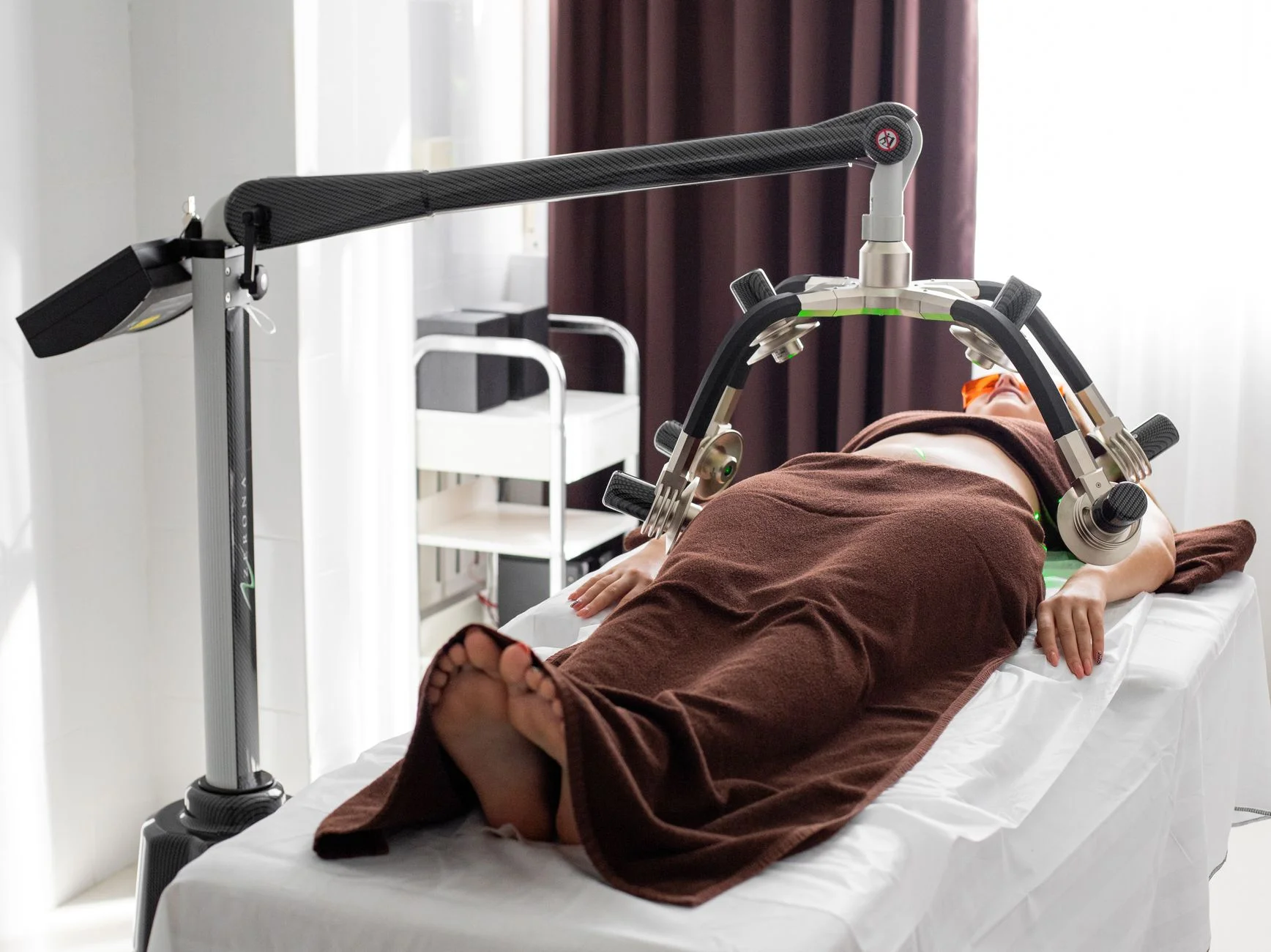
| Body contouring (RF / cryolipolysis) | Target stubborn localised fat deposits that resist diet and exercise |
| Prescription support where appropriate | Evidence-based pharmaceutical tools when clinically indicated |
| Progress monitoring | Monthly body composition reassessment, not just weight |
| Lifestyle integration | Sleep, stress, and movement protocols that support fat metabolism |
This is not a one-size-fits-all plan. The protocol is adjusted based on what is actually happening metabolically, revisited monthly, and refined as results emerge.
The Role of Body Contouring in Weight Management
For patients with specific areas of resistant fat — particularly the abdomen, flanks, inner thighs, and upper arms — body contouring technologies can address what lifestyle modification cannot. Radiofrequency-based treatments tighten skin while reducing localised fat; cryolipolysis permanently destroys fat cells in defined deposits.
These are not substitutes for metabolic work. They are precision tools used after the foundational metabolic picture has been addressed — not shortcuts, but targeted finishing steps that make a meaningful difference to how results look and feel.
Realistic Expectations: What a Clinical Programme Delivers vs What It Doesn't
| What It Addresses | What It Doesn't Replace |
|---|---|
| Metabolic blockers to fat loss | Consistent personal commitment to lifestyle change |
| Hormonal and biochemical root causes | The need for physical activity |
| Localised resistant fat deposits | Sustained dietary discipline |
| Body composition (fat vs muscle ratio) | Long-term behavioural habits |
The goal is not a quick transformation. It is sustainable fat loss driven by understanding your specific biology — and a programme architecture that makes that possible without starting over every six months.
If you have been doing everything right and the results are not matching the effort, the answer is probably not to try harder. It is to find out what is actually happening — and address that specifically.