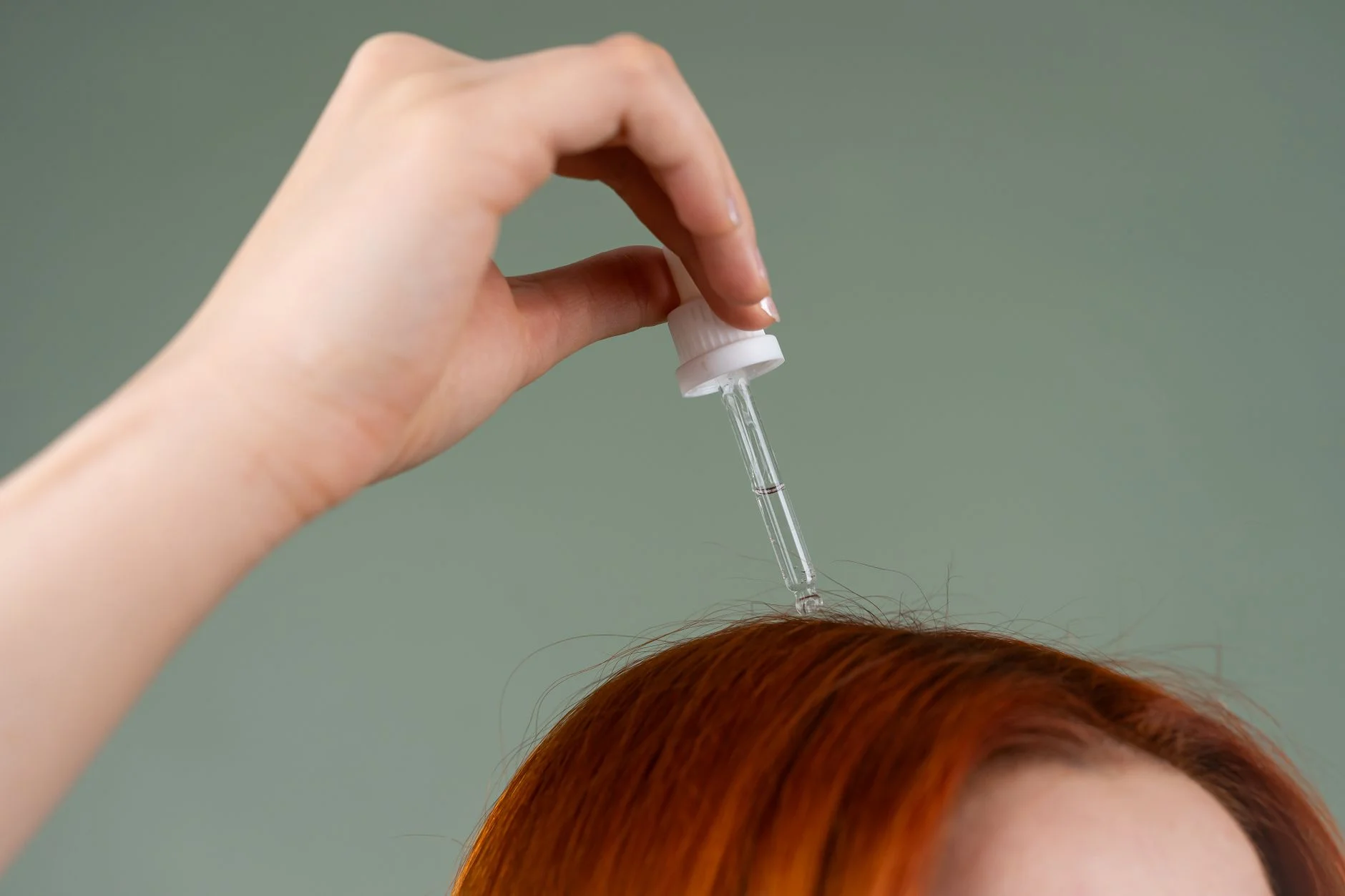
The first sign of hair thinning is rarely dramatic. It is a slightly wider parting. More hair than usual on the pillow. A photo taken in sunlight that catches your scalp in a way bathroom lighting never does. And then a slow, creeping awareness that something has been changing — probably for longer than you noticed.
At this stage, most people fall into one of two camps: those who wait and watch, and those who start researching. If you are reading this, you are in the second camp. And the first question you are probably sitting with is: what is actually worth doing right now?
Both scalp mesotherapy and PRP therapy are injectable hair treatments that work best when thinning is early. They are also frequently confused with each other, combined without explanation, or described interchangeably on clinic websites. They should not be.
What Is Scalp Mesotherapy?
Mesotherapy involves injecting a customised cocktail of micronutrients, vitamins, amino acids, and sometimes DHT-blocking agents directly into the scalp dermis — the layer where follicles live.
The theory is straightforward: hair follicles that are thinning due to poor scalp circulation, nutritional deficiency, or chronic low-grade inflammation often respond to direct nourishment. The injections bypass the digestive system entirely, delivering active ingredients exactly where they are needed.
What mesotherapy treats well:
- Diffuse thinning from nutritional deficiency or poor circulation
- Hair loss associated with stress-induced telogen effluvium
- Scalp that feels tight, dry, or persistently flaky
- Early androgenetic alopecia when caught before significant follicular miniaturisation
What Is PRP Therapy?
PRP (Platelet-Rich Plasma) therapy takes a different biological approach. A small sample of your own blood is spun in a centrifuge to concentrate the growth factors found in platelets. This concentrate is then injected into the scalp.
The growth factors in PRP — particularly PDGF, VEGF, and TGF-β — directly signal to dormant or weakened follicles to move from a resting phase back into active growth. Unlike mesotherapy, PRP is not delivering external nutrients; it is triggering the scalp's own regenerative capacity using biological signals your body already makes.
Head-to-Head Comparison
| Factor | Scalp Mesotherapy | PRP Therapy |
|---|---|---|
| Mechanism | Nutrient delivery + DHT blockade | Growth factor stimulation from own blood |
| Best for | Nutritional/circulatory thinning, diffuse loss | Androgenetic alopecia, follicular miniaturisation |
| Sessions needed | 6–10 (monthly then quarterly) | 3–6 (monthly, then maintenance) |
| Pain level | Mild — fine needle injections | Mild — slightly more pressure during scalp saturation |
| Results timeline | 3–6 months | 4–6 months |
| Combines well with | Minoxidil, biotin supplements | Minoxidil, finasteride, low-level laser |
Expert Perspective
Dr. Guneet Bedi, dermatologist at House of Aetheria, explains the clinical decision this way:
"When I see a patient with early diffuse thinning and a scalp that is visibly undernourished — dry, flaky, poor circulation — mesotherapy is often my first recommendation. But when trichoscopy shows active follicular miniaturisation due to DHT sensitivity, I go directly to PRP. The underlying biology is different, and the treatment must match the cause, not just the symptom."
When Combination Therapy Makes Sense
Many patients at House of Aetheria receive both treatments — alternated across sessions or combined as part of a structured protocol. This is particularly effective for patients where both nutritional deficiency and androgenetic alopecia are contributing simultaneously (which is extremely common in the 28–40 age group in urban India, given chronic dietary gaps, high-stress lifestyles, and genetic predisposition).
The key is that neither treatment is a substitute for proper diagnosis. Trichoscopy — a microscopic examination of the scalp and follicles — takes less than 10 minutes and completely changes the treatment decision. Hair falling out in response to a stressful period looks different under a trichoscope than androgenetic miniaturisation. Treating one with the protocol designed for the other wastes time and money.
Neither mesotherapy nor PRP is a miracle. But when applied to the right patient at the right stage of thinning, both are backed by meaningful clinical evidence. The window for non-surgical intervention is real — and it is narrower than most people realise. If you are noticing early changes, now is genuinely the right time to ask the question.