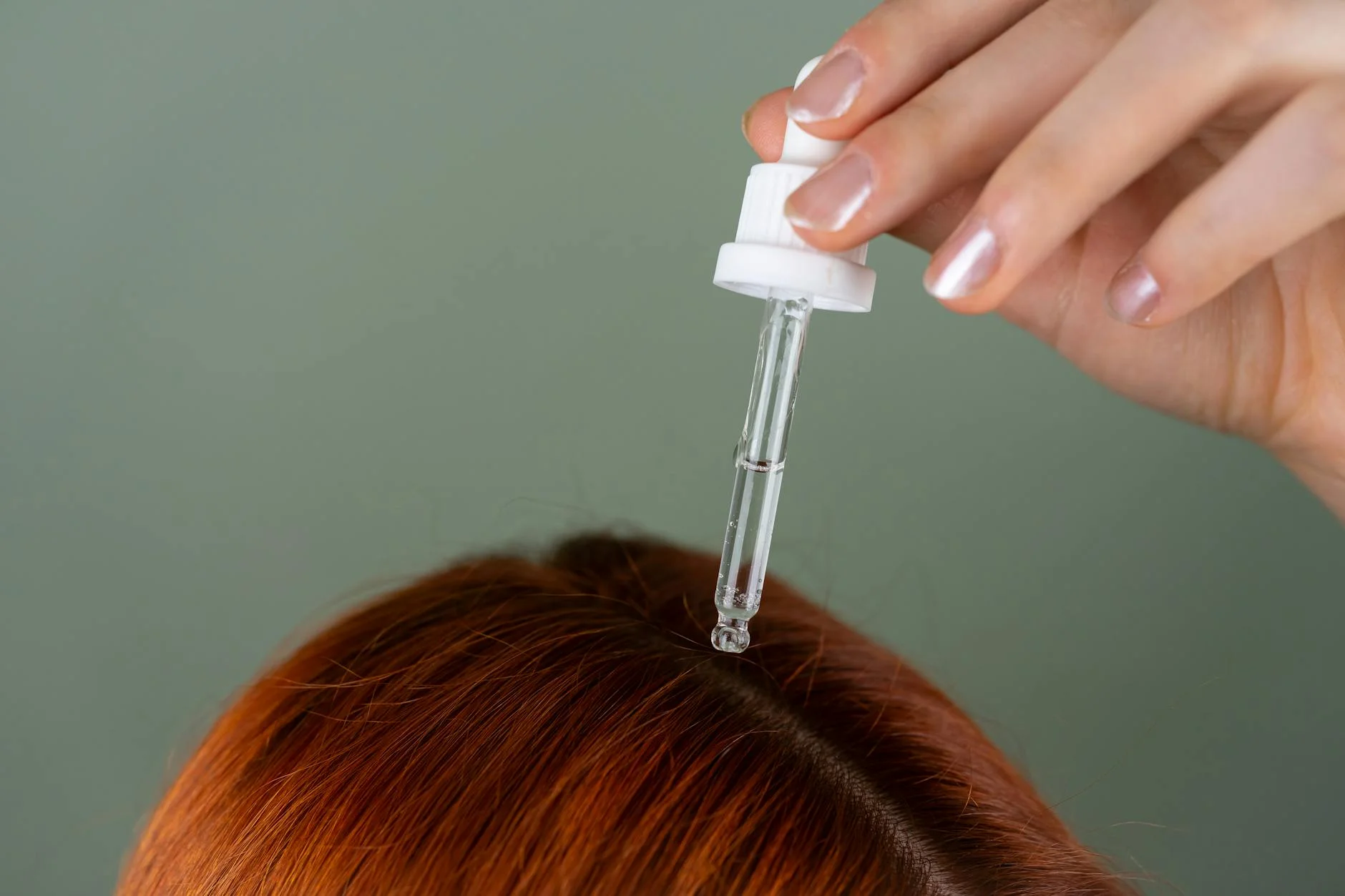
Most patients think dandruff is cosmetic.
In reality, chronic scalp inflammation changes the biological environment in which hair follicles live inside.
At House of Aetheria, one of the most overlooked drivers of accelerated thinning is untreated inflammatory scalp disease. Patients often focus entirely on regrowth while ignoring the irritated scalp underneath the follicles themselves.
That approach rarely works well long-term.
Inflammation Alters Follicular Signalling
Seborrhoeic dermatitis, chronic dandruff, folliculitis, eczema, and inflammatory scalp irritation increase oxidative stress around follicles. The scalp barrier becomes compromised. Oil oxidation increases. Microinflammation persists continuously beneath the surface.
The result is not always dramatic bald patches. More commonly, inflammation amplifies ongoing miniaturisation in genetically susceptible follicles.
This is why many patients describe:
- Itching
- Burning
- Increased oiliness
- Tenderness
- Flaking
- Sensitivity after sweating
- Worsening shedding during stress periods
The inflammation itself may not independently "cause" androgenetic alopecia. But it absolutely worsens the environment surrounding already vulnerable follicles.
Delhi-NCR Conditions Intensify the Problem
High pollution exposure, sweat retention, long commutes, helmet use, poor sleep, aggressive styling products, and hard-water irritation collectively create chronically stressed scalp environments in many Gurgaon professionals.
One common pattern seen clinically: patients self-treat dandruff for years with harsh anti-dandruff shampoos while progressive thinning quietly advances beneath the inflammation.
"The scalp is skin. Patients forget that. Hair follicles perform poorly in chronically inflamed skin environments regardless of how many growth products are added on top."
— Dr. Guneet Bedi, MD, DDVL, Gold Medalist, House of Aetheria
Inflammation Interferes with Treatment Response
High-concentration PRP therapy, GFC, exosomes, minoxidil, and scalp mesotherapy all perform better on healthier scalp tissue. Chronic inflammation compromises healing quality and regenerative signalling.
This is why proper scalp preparation matters before advanced regenerative protocols.
A proper inflammatory workup may include:
- Trichoscopy
- Sebum evaluation
- Fungal assessment
- Barrier-function assessment
- Examination for psoriasis or eczema
- Review of cosmetic product overuse
- Stress and lifestyle review
The Problem of Over-Treatment
Another modern problem is over-treatment. Patients increasingly layer:
- Multiple serums
- Essential oils
- DIY microneedling
- Viral "hair hacks"
- High-frequency shampoo switching
- Harsh exfoliating products
The scalp becomes irritated not from disease alone, but from excessive intervention.
Healthy follicles require balance, not constant stimulation.
Treatment depends on the diagnosis. Some patients need medicated anti-inflammatory therapy first. Others require seborrhoeic dermatitis control, fungal management, scalp-barrier restoration, or lifestyle correction before regenerative treatment even begins.
This is also why "one-size-fits-all" online regrowth routines fail so often. The biology underneath the thinning differs dramatically between patients.
What Scalp Treatment Cannot Do
It cannot reverse advanced genetic miniaturisation alone. It cannot permanently eliminate inflammatory conditions without maintenance. And it cannot substitute for medical hair-loss management where androgenetic alopecia is active.
But untreated inflammation quietly worsens outcomes over time.
Scalp health is not separate from hair restoration in Gurgaon. It is the biological foundation underneath it.