If you have done multiple sessions of laser toning for melasma and watched the patches return every summer, you are not alone. The laser removes the pigment that has already formed. It does not turn off the mechanism producing it. That is where the cosmelan depigmentation peel Gurugram protocol is fundamentally different.
What Makes Cosmelan Different From a Standard Peel
Most chemical peels work by accelerating exfoliation. Cosmelan works at the enzymatic level — it inhibits tyrosinase, the key enzyme responsible for converting tyrosine into melanin. By blocking the enzyme upstream, Cosmelan interrupts the production cycle itself.
| Factor | Standard Laser Toning | Chemical Peel | Cosmelan Protocol |
|---|---|---|---|
| Mechanism | Shatters existing pigment | Exfoliates pigmented surface cells | Inhibits melanin production at enzyme level |
| Targets | Existing melanin deposits | Superficial dead skin layer | Tyrosinase enzyme + surface pigment |
| Best For | Dermal + epidermal melasma | Mild PIH, surface uneven tone | Stubborn/recurring melasma, mixed pigmentation |
| Downtime | None to minimal | Mild peeling 2–5 days | Moderate peeling 7–10 days (managed) |
| Maintenance | Sessions every 3–4 weeks | Every 4–6 weeks | Home maintenance cream for 6–12 months |
| Indian Skin Safety | Safe with correct fluence | Safe with correct peel selection | Safe; clinical supervision essential |
The Two-Phase Protocol Explained
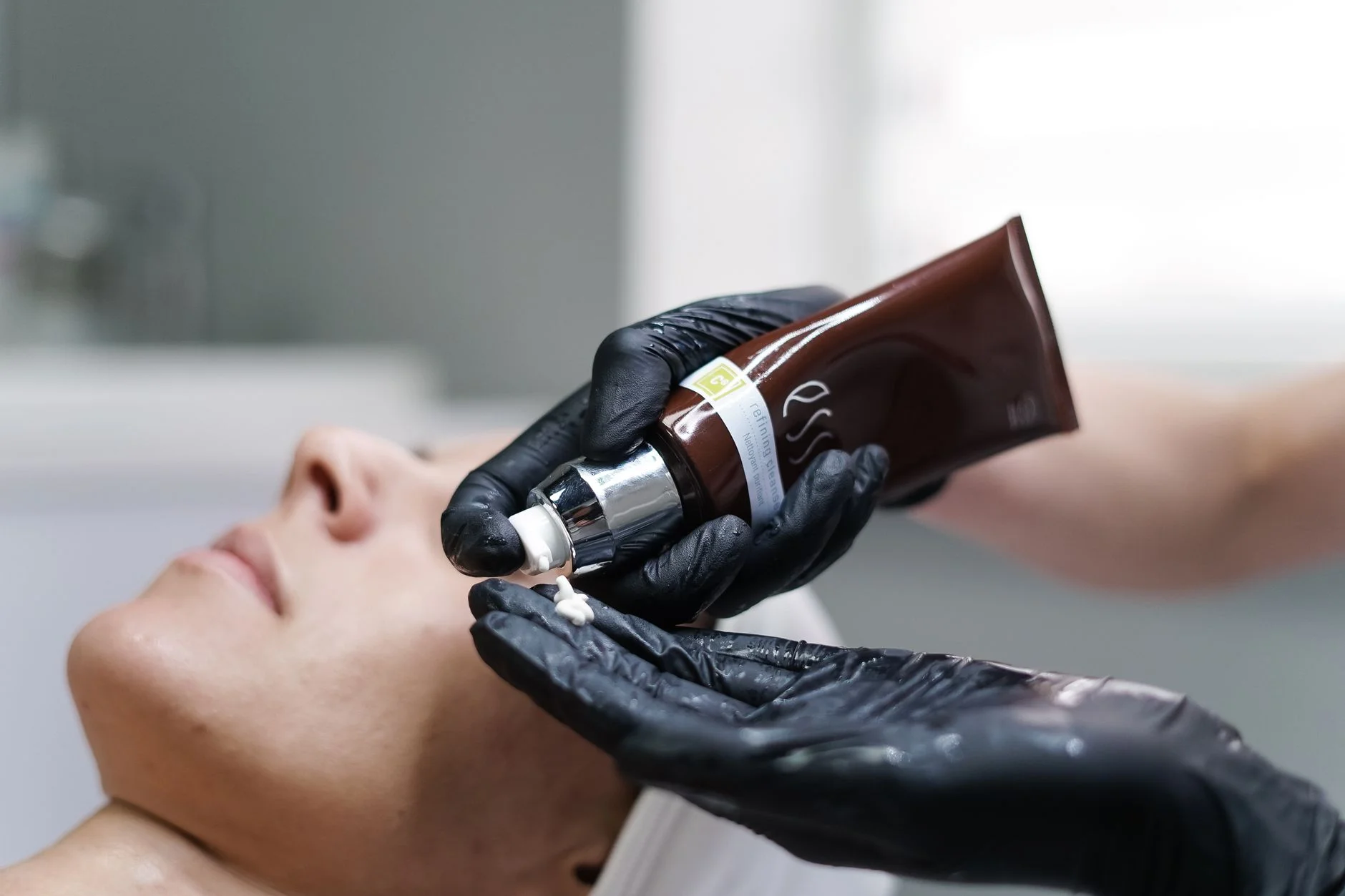
Phase one is the in-clinic application. A physician applies the Cosmelan 1 mask, which remains on the skin for a period determined by your skin type, pigmentation depth, and sensitivity profile — typically eight to twelve hours. This is a clinical decision made for your specific skin.
Phase two is home maintenance with the Cosmelan 2 cream, applied daily for six to twelve months. The home phase is not optional — it is what prevents the melanocytes from re-activating. Patients who skip or shorten the maintenance phase consistently see an earlier recurrence of pigmentation.
"Cosmelan is not a quick fix and I never present it as one. What it offers is a real reset for the melanocyte activity that drives recurring melasma — but that reset requires the patient to commit to the home phase with the same seriousness as the in-clinic treatment."
— Dr. Akshay Jain, Dermatologist, House of Aetheria
Who Is — and Isn't — a Good Candidate
Cosmelan works well for patients with Fitzpatrick skin types III to VI who have moderate to severe melasma, post-inflammatory hyperpigmentation that has not cleared with standard treatments, or pigmentation that returns quickly after laser sessions. It is particularly effective for patients with a hormonal pigmentation driver — those on oral contraceptive pills or with PCOS-related skin changes.
It is not the right choice for patients with very superficial, isolated sunspots that respond well to a single laser session, or for patients who are not prepared to manage the ten-day post-treatment skin reaction.
What to Expect in the Weeks After Treatment
- Days 1–3: Redness and tightness. Skin feels warm and sensitive. Broad-spectrum SPF 50+ is non-negotiable from day one.
- Days 4–7: Visible peeling begins. Keep the skin moisturised and avoid picking.
- Days 7–10: Peeling subsides. New skin typically appears noticeably brighter and more even.
- Weeks 2–8: Pigmentation continues to fade. Most dramatic improvement often seen at six weeks.
- Months 2–6: Full results assessed at six months with diligent SPF and home cream use.
Why SPF Is Non-Negotiable During This Protocol
Any UV exposure during the treatment and maintenance phase directly undermines the protocol's mechanism. Patients who use a broad-spectrum SPF 50+ consistently throughout the protocol hold their results. Those who are inconsistent with sun protection rarely do.
Considering Cosmelan for melasma in Gurugram? Book a diagnostic consultation at House of Aetheria, Sector 65. Dr. Akshay Jain will assess your pigmentation depth and type before recommending the right protocol — Cosmelan, laser, chemical peel, or a combination. Also read why pigmentation keeps returning after laser treatment.