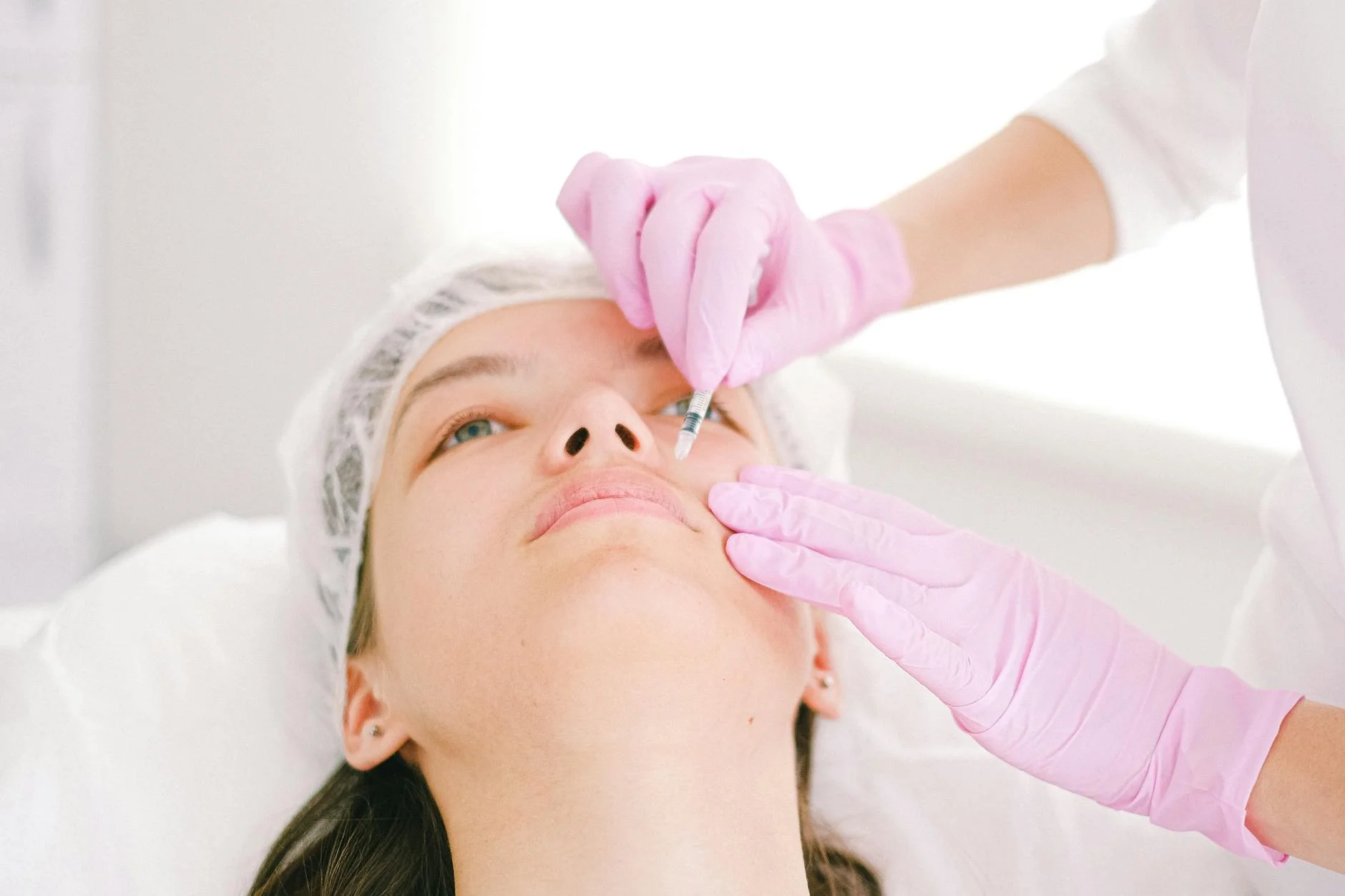
There is a particular conversation that happens in rhinoplasty consultations. Someone points to the very tip of their nose and says, "It did not always sit this low." They are right. The nasal tip descends with age. It happens quietly, over years, and it is among the most underdiagnosed causes of a face that looks subtly older or heavier than it should. The good news is that correcting it often does not require a full rhinoplasty. A procedure called tip plasty can address the drooping nasal tip precisely, with a shorter recovery and a narrower scope than a full nose job.
Why the Nasal Tip Droops After 30
Your nose is not made of bone alone. The lower third, including the tip, is a structure of cartilage, connective tissue, skin and small supporting ligaments. Those supports weaken with time. The depressor septi nasi, a small muscle that pulls the tip downward, becomes relatively dominant as the upward-supporting ligaments loosen. Gravity adds its share. Skin thickens slightly in some people, adding weight. Sun damage accelerates skin laxity.
The result is a tip that gradually points downward, hooks when you smile, or simply loses the upward projection it had in your twenties. A drooped tip changes shadow patterns across the mid-face. It can make the nose appear longer. It can make the philtrum look stretched. It does a surprising amount of work on overall facial appearance.
Tip Plasty vs Full Rhinoplasty — What Actually Changes
Full rhinoplasty in Gurgaon reshapes the entire nose. Dorsal humps are shaved. The bridge is narrowed. Bones are repositioned. It is a comprehensive procedure with a proportionally longer recovery.
Tip plasty focuses exclusively on the lower cartilages. The surgeon reshapes, repositions and sometimes reinforces the tip cartilages through a small incision, either at the base of the columella or hidden just inside the nostril. The nasal bridge is untouched. The bones stay where they are. For a patient whose only concern is a fallen or poorly defined tip, this is a more targeted solution with a shorter recovery and faster resolution of swelling.
| Factor | Tip Plasty | Full Rhinoplasty |
|---|---|---|
| Scope | Tip cartilages only | Entire nose structure |
| Bridge or bones touched? | No | Often yes |
| Anaesthesia | Local or light sedation | General anaesthesia |
| Typical downtime | 7–10 days presentable | 2–3 weeks for most swelling |
| Best for | Drooping, bulbous, undefined tip | Multiple structural concerns |
What to Expect from the Result — and the Waiting
Tip plasty patients often see an immediate change in tip projection once the surgical dressings come off. What they do not see is the final result. Tip cartilages are notoriously slow to settle. The area is fibrous and thick-skinned in many Indian patients, which means swelling lingers longer than expected.
A good rule of thumb: you will look presentable within a week to ten days. The refined tip shows itself properly between three and six months. Many patients underestimate how much the tip alone was affecting the overall balance of their face until they see that six-month photograph.
Who Is a Genuine Candidate
Tip plasty works when the concern is genuinely confined to the lower third. Good candidates include patients with:
- A drooping tip that hooks downward when they smile.
- A bulbous or undefined tip with no dorsal concern.
- Mild tip asymmetry.
- Those wanting better projection without changing the bridge.
It is not the right choice when there is a significant dorsal hump, a deviated septum causing a breathing problem, or a broad nasal bridge the patient wants narrowed. Patients with very thick skin may see limited definition regardless of cartilage work.
"The tip is the signature of the nose. A minor correction there can refresh the entire face without anyone knowing what changed. Many patients describe it as looking like themselves again — not like a different person. For an isolated drooping tip, it is often the most proportionate answer."
— Dr. Rahul Jain, Plastic Surgeon, House of Aetheria
The Conversation Worth Having
Tip plasty is generally priced below a full rhinoplasty because the scope is smaller and operative time shorter. Exact cost is set after an examination, not from a price list, because the technique varies by what the cartilages need.
If the tip bothers you and the rest of your nose does not, the most useful next step is an honest assessment of whether your concern is truly isolated to the lower third. Book a consultation at House of Aetheria, Sector 65, and bring a photograph from your mid-twenties if you have one. It tells more than any mirror.