If you fly more than six times a year and have noticed that your skin looks consistently worse — more dehydrated, more reactive, slower to recover from breakouts — frequent travel skin damage recovery in Gurgaon is worth understanding clinically. Travel damages skin through at least four simultaneous mechanisms, most of which a standard skincare routine is not designed to address.
The Four Ways Travel Damages Skin
1. Cabin Humidity (or the Lack of It)
Cabin air humidity typically sits at 10–15%. The skin's ideal environment is 40–70% humidity. At 15%, transepidermal water loss accelerates significantly. A long-haul flight followed by a hotel room with air conditioning running overnight compounds this into a degree of dehydration that takes the skin several days to recover from naturally.
2. UV Exposure at Altitude
At cruising altitude, UV radiation is roughly 2× the UV index at sea level. Window seat passengers receive a meaningful UV dose on every flight. Over hundreds of flights, this is a real photoageing factor. Most people are not wearing SPF on a plane.
3. Circadian Disruption and Cortisol
Skin has its own circadian clock. Barrier repair, collagen synthesis, and cell renewal peak at night during the natural sleep window calibrated to your home timezone. Long-haul flights systematically disrupt this cycle. Elevated cortisol from travel stress degrades collagen, increases sebum production, and impairs the skin's barrier repair cycle.
4. Water and Environment Changes
Hotel water quality, hard water in international cities, and climate changes all stress the skin barrier. The barrier adapted to Gurgaon's water chemistry is suddenly functioning against the water chemistry of Singapore, London, or New York — and it shows.
"Frequent flyers often attribute their skin decline to ageing. It's frequently acceleration of ageing driven by a specific and correctable set of environmental stressors."
The Clinical Recovery Protocol
For patients who travel eight or more times per year and present with persistent barrier disruption, the recovery protocol at House of Aetheria typically involves three phases:
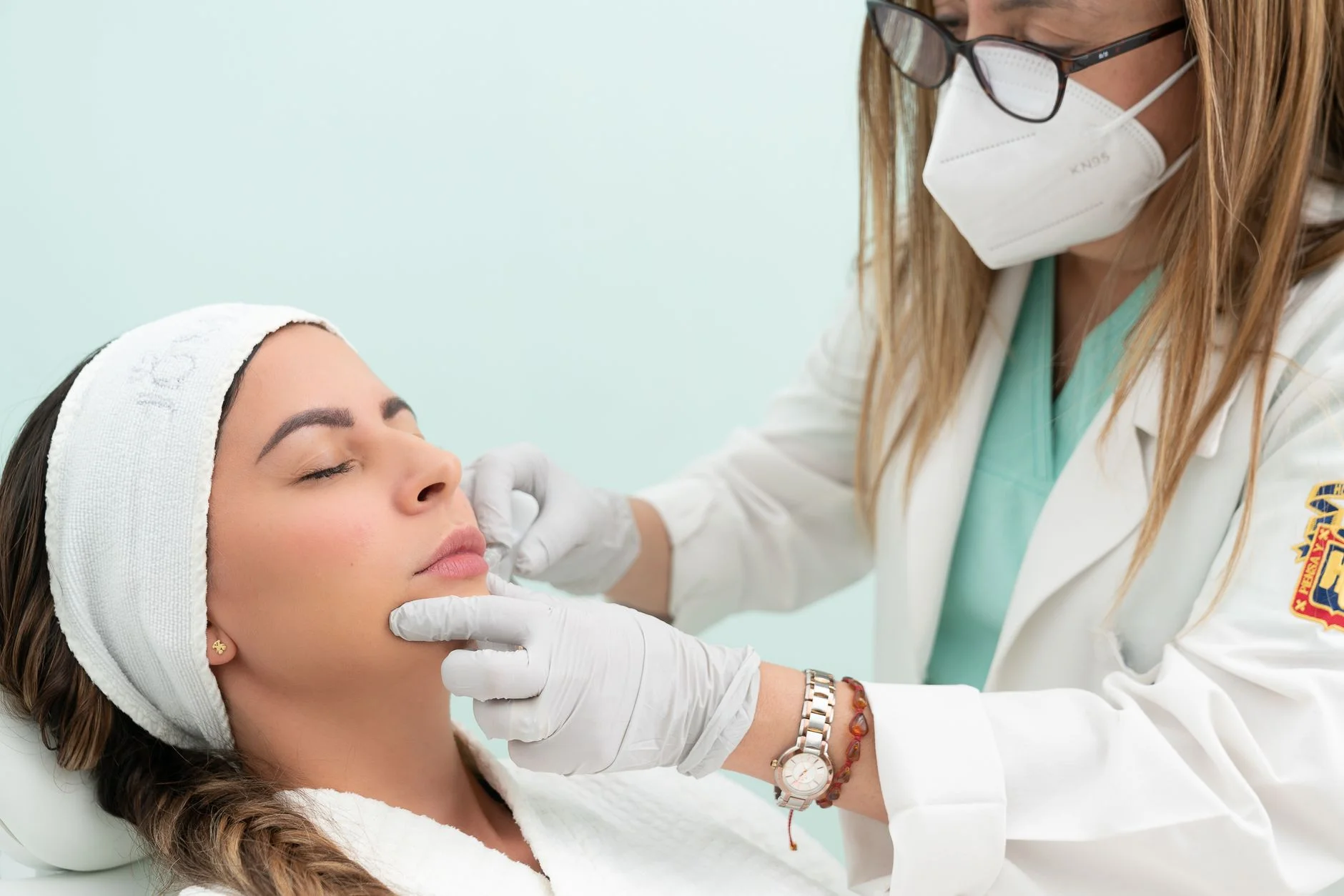
- Barrier reset: A HydraFacial immediately after a period of heavy travel addresses dehydration, congestion, and surface debris in a single session without adding stress to the skin. The booster selection is adjusted based on current skin state — typically prioritising the DermaBuilder peptide complex to support repair.
- Targeted treatment: If travel has accelerated pigmentation from altitude UV exposure, a laser toning session consolidates the result and prevents cumulative pigment from settling. For barrier dysfunction showing as persistent sensitivity, active treatments are delayed until the barrier has been restored.
- IV nutritional support: For patients experiencing the combination of skin dullness, fatigue, and cognitive fog, a Glutathione or Vitamin C IV drip provides a systemic reset that accelerates recovery.
"I often recommend a simple protocol for patients who travel weekly: a HydraFacial as a monthly reset, SPF 50 in the flight bag alongside the passport, and a brief skin barrier oil applied before a long-haul flight. The patients who do this consistently maintain skin that looks and behaves years younger."
— Dr. Debjani Chakraborty, Lead Dermatologist & Head of Aesthetics, House of Aetheria
What to Do on the Plane
- Apply SPF before boarding and reapply if a long-haul flight crosses a sunlit timezone window.
- Use a hyaluronic acid mist or barrier-supporting face oil during flight — nothing with active ingredients like retinol or AHA that increase photosensitivity.
- Avoid alcohol and excessive caffeine on flights. Both dehydrate. The effect on skin is visible within hours.
- Skip heavy foundation and powder on flights. Congested pores plus dry cabin air plus a full face of product is a reliable recipe for post-flight breakouts.
Back from a heavy month of travel and your skin shows it? Book a clinical skin assessment at House of Aetheria, Sector 65, Gurugram. We will assess your barrier condition and recommend the right recovery protocol — without overselling treatments your skin does not need right now.