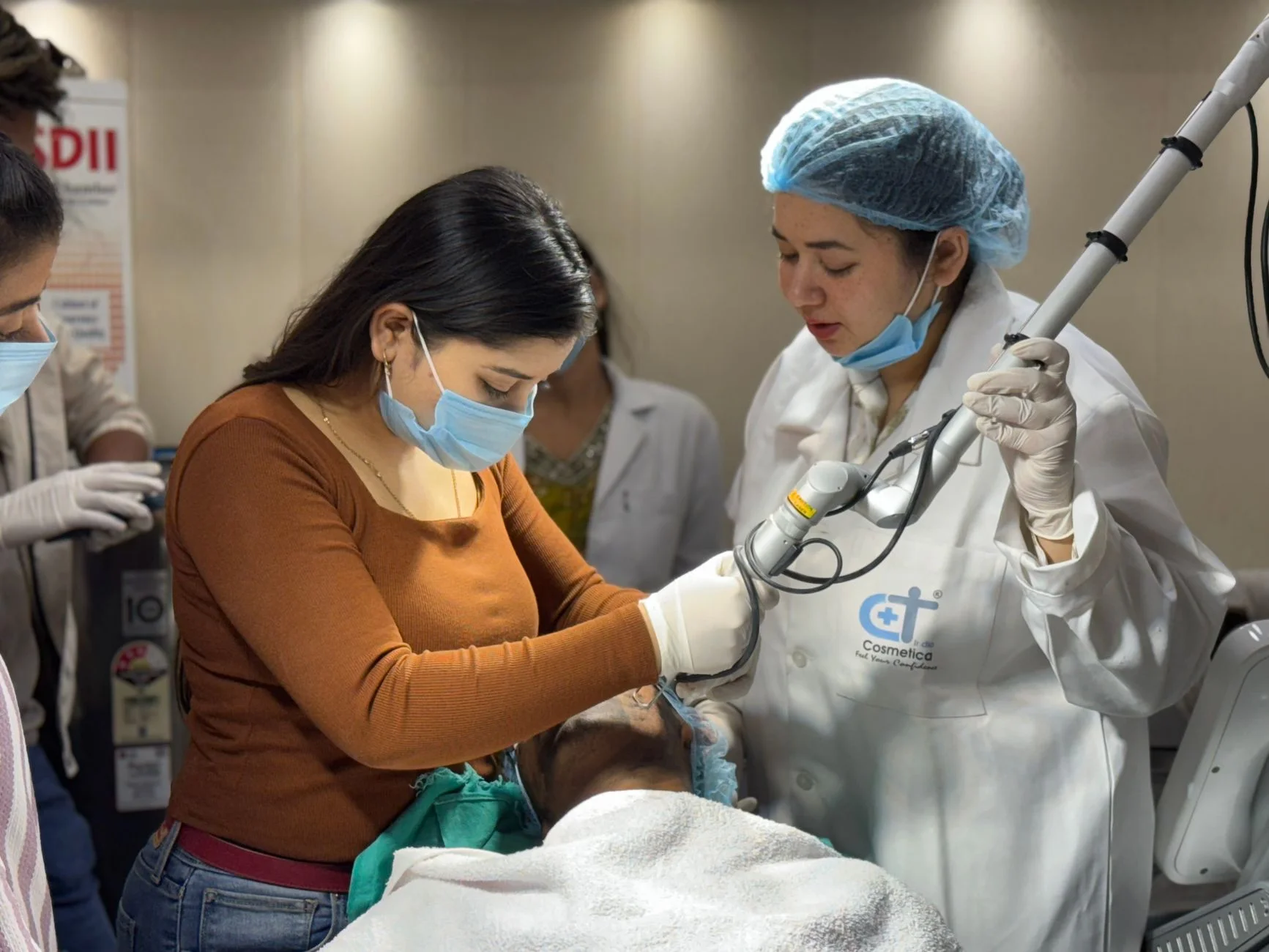
Waking up to stubborn dark patches and uneven skin tone is endlessly frustrating, but aggressive drugstore bleaching creams are not a clinical solution. For patients seeking effective pigmentation treatment in Gurgaon, clearing the skin requires targeting the hyperactive melanin engines deep within the dermis. Over-the-counter brightening serums offer minimal surface-level changes while often damaging the delicate lipid barrier. Clinical dermatology protocols structurally suppress pigment production and safely shatter existing melanin deposits. This guide outlines how medical interventions provide lasting hyperpigmentation removal and restore true dermal clarity.
The Biology of Hyperpigmentation and Environmental Triggers
Hyperpigmentation occurs when specific skin cells (melanocytes) overproduce melanin, creating localized dark spots and patches. In Gurugram, intense UV exposure, heavy particulate pollution, and hard water severely exacerbate this cellular oxidative stress, demanding advanced medical intervention rather than superficial skincare.
Understanding your specific pigment depth is critical. A thorough dermatologist consultation accurately diagnoses whether your discoloration is hormonal, sun-induced, or inflammatory.
Clinical Categorization of Pigmentation
| Pigmentation Type | Clinical Appearance | Underlying Cause |
|---|---|---|
| Melasma | Symmetrical brown/gray facial patches | Hormonal shifts, UV exposure |
| Sun Spots (Lentigines) | Distinct dark spots on sun-exposed areas | Chronic UV damage |
| PIH | Dark marks left after trauma/acne | Inflammation, aggressive extractions |
| Freckles (Ephelides) | Small, concentrated flat spots | Genetics, sun exposure |
Why At-Home Dark Spot Removal Fails
Attempting to fade complex melanin deposits at home frequently triggers worsening discoloration. Dr. Akshay Jain routinely corrects these common clinical errors:
- Aggressive scrubbing: Physical exfoliants create micro-tears, inciting severe post-inflammatory hyperpigmentation (PIH).
- Unregulated bleaching creams: Using over-the-counter hydroquinone indiscriminately causes permanent, irreversible skin darkening (ochronosis).
- Inconsistent sun protection: Skipping a broad-spectrum mineral SPF renders any pigmentation treatment completely useless.
- Lemon juice and kitchen chemistry: Applying highly acidic citrus burns the stratum corneum, causing alkaline burns and extreme photosensitivity.
Advanced Pigmentation Treatment Options in Gurgaon
Modern medical protocols target pigment exactly where it resides. We use clinical-grade therapies to clear existing melanin while systematically inhibiting future production.
For deep-seated dermal pigmentation, photo-acoustic laser toning (using Q-Switched or Picosecond technology) shatters melanin clusters into microscopic particles without generating surface heat. This mechanism makes laser toning the preferred choice in Gurgaon for safe, downtime-free hyperpigmentation removal.
Patients with epidermal discoloration benefit from advanced chemical peels — such as the Yellow Peel or Cosmelan — which accelerate cellular turnover to lift stained cells. We frequently prep the tissue with a medical-grade HydraFacial to remove superficial debris. This layered approach, known as the Glow Protocol, ensures maximum laser penetration. These protocols are also integrated with acne scar treatment for comprehensive skin refinement.
Treatment Comparison
| Treatment | Best Suited For | Average Sessions | Downtime |
|---|---|---|---|
| Laser Toning | Deep dermal pigment, melasma | 6–8 | None |
| Chemical Peels | Epidermal pigment, uneven tone | 3–5 | Mild (3–5 days flaking) |
| Cosmelan Depigmentation | Severe, resistant melasma | 1 (with home care) | Moderate (7–10 days) |
| Glow Protocol | Dullness, superficial sun damage | 4–6 | None |
Results Timeline
True dermal correction demands precise science and patience. Patients undergoing pigmentation treatment in Gurgaon can anticipate this progression:
- Week 1–2: Accelerated cellular shedding; pigment may temporarily appear slightly darker as it rises to the surface.
- Week 3–4: Noticeable fading of superficial dark spots and improved overall radiance.
- Week 6–8: Significant reduction in deep pigment clusters and distinct melasma patches.
- Week 10–12: Sustained skin clarity and stabilized melanocyte activity via medical-grade tyrosinase inhibitors.
Safety and Potential Side Effects
Clinical pigmentation treatment in Gurgaon is safe under rigorous physician supervision. Temporary side effects may include mild erythema (redness) or superficial flaking for 24 to 48 hours. We deliver sustained, scientifically validated stabilization of pigment cells rather than promising overnight results.
Pigmentation Treatment Cost in Gurgaon
Pigmentation treatment in Gurgaon typically costs between ₹4,000 and ₹18,000 per session. Clinical peels range from ₹4,000 to ₹7,000, while advanced laser toning and comprehensive depigmentation protocols range from ₹8,000 to ₹18,000+, depending on pigment depth and required technologies.
The total investment is determined during your diagnostic mapping. Patients visiting our clinic in Sector 65, Gurugram, receive fully transparent, customized medical plans. Effective melasma treatment in Gurgaon often requires a layered approach, dictating the final clinical tier.
What Patients Ask
Does pigmentation go away permanently?
It depends on the trigger. Sunspots and PIH can be removed permanently, provided you maintain strict sun protection. Hormonal melasma requires ongoing medical management to keep melanocyte activity suppressed.
Is laser toning painful?
No. Photo-acoustic lasers create a mild snapping sensation, similar to a tiny rubber band. There is no thermal heat on the surface, making it a comfortable experience with zero downtime.
How quickly will I see results from chemical peels?
You will notice brighter, smoother skin immediately after the peeling phase concludes, usually within 5 to 7 days. Deeper pigment fading continues progressively with subsequent sessions.
Can I undergo pigmentation treatment during the summer?
Yes, provided you strictly adhere to prescribed sun protection protocols. Modern non-ablative lasers are safe year-round because they do not injure the outer skin layer.
What makes House of Aetheria different from a salon?
We are a medical facility using US-FDA-approved technologies and physician-prescribed tyrosinase inhibitors. Salons rely on superficial, uncalibrated treatments that frequently worsen pigmentation through unregulated inflammation.