Hair loss is rarely just a physical change; it carries a deep psychological weight. Whether you are a man noticing your temples receding or a woman seeing your central parting slowly widen under harsh lighting, the panic is universal. The internet is flooded with miracle shampoos, unregulated supplements, and questionable scalp oils, almost none of which possess the biological capability to alter the lifecycle of a dying hair follicle.
When you strip away the marketing noise and look strictly at dermatological science, one non-surgical treatment consistently dominates the clinical data: Platelet-Rich Plasma therapy. If you are losing ground on your scalp, a PRP hair treatment is not just an option; it is often the most critical intervention available short of a surgical transplant. Here is the honest, medical breakdown of how it works and what you can realistically expect.
What is Platelet-Rich Plasma?
PRP is a form of regenerative medicine. It uses your body's own biological machinery to heal and stimulate failing tissue. Your blood contains red cells, white cells, and platelets. Platelets are the first responders in your body; whenever you have an injury, platelets rush to the site, releasing highly concentrated growth factors that instruct the cells to repair, multiply, and thrive.
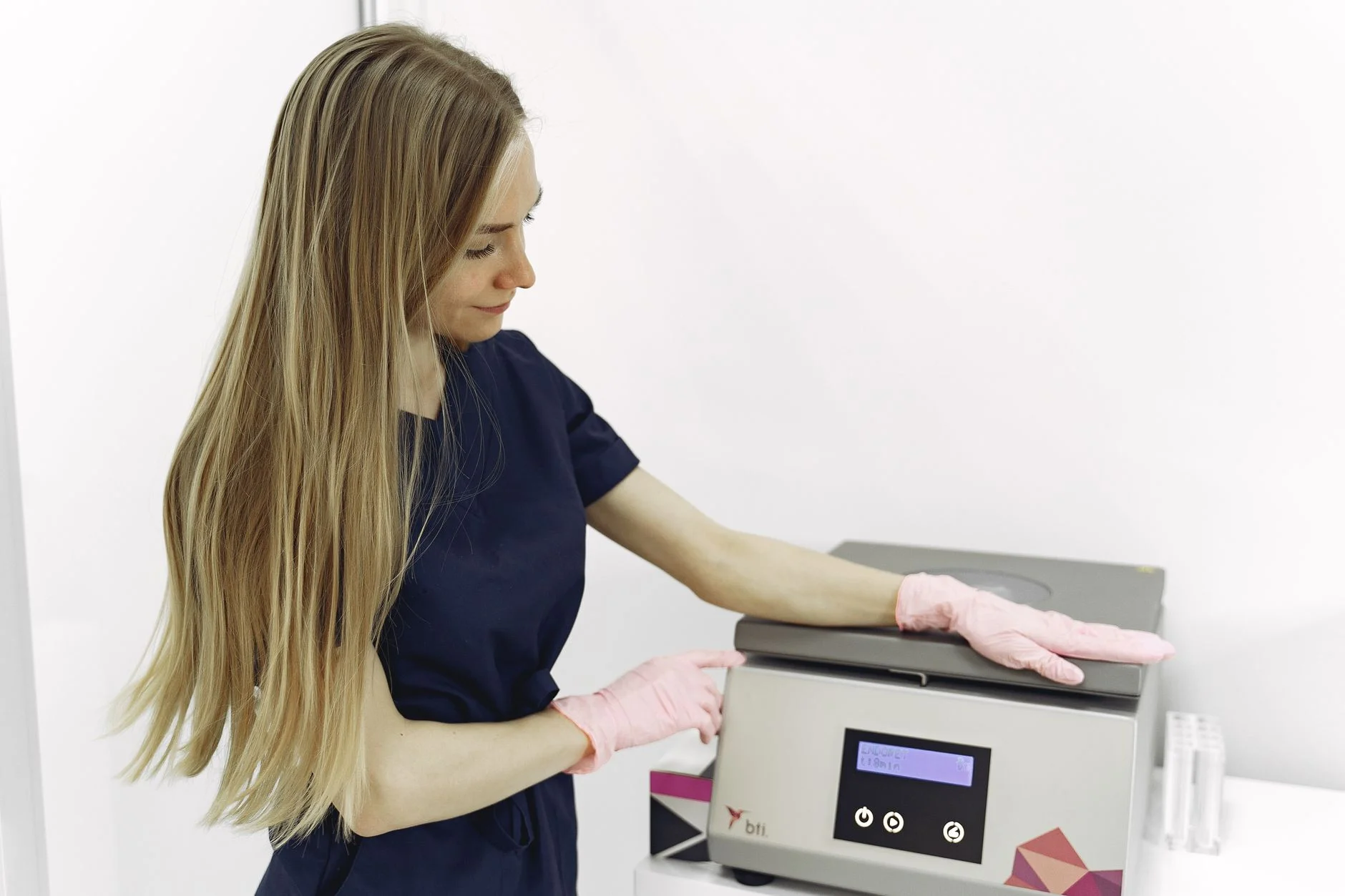
During a PRP hair treatment, we draw a small vial of your blood and spin it in a medical centrifuge. This rapidly separates the components, allowing us to extract the "liquid gold" — plasma that is supercharged with a massive concentration of your own platelets. When we strategically inject this concentrated serum directly into the thinning areas of your scalp, it acts as a biological wake-up call to dormant hair follicles.
How PRP Rescues Hair Follicles
Hair follicles do not simply vanish overnight. They undergo a process called miniaturization. Due to genetics, hormones (like DHT), or severe stress, the follicle begins to shrink. The hair it produces becomes finer, shorter, and weaker with each cycle until the follicle eventually closes entirely.
When we introduce PRP into the scalp, the growth factors immediately get to work:
- Prolonging the Anagen Phase: It forces the hair to stay in the active growth phase much longer.
- Increasing Blood Supply: It stimulates angiogenesis (the formation of new blood vessels), delivering vital oxygen and nutrients directly to the root.
- Reversing Miniaturization: It thickens the diameter of the existing hair shaft, making the overall hair look drastically denser.
Comparing Hair Loss Interventions
To set realistic expectations, you must understand where PRP fits into the hair restoration landscape.
| Treatment Modality | Mechanism of Action | Best Suited For | Maintenance Required |
|---|---|---|---|
| Topical Minoxidil | Widens blood vessels to feed follicles. | Early thinning, daily upkeep. | High (Requires strict daily application). |
| PRP Therapy | Delivers concentrated growth factors to the root. | Diffuse thinning, widening parts, post-partum loss. | Moderate (Initial course, then bi-annual top-ups). |
| Hair Transplant | Surgically moves permanent follicles to bald areas. | Complete bald spots, severely receded hairlines. | Low (Results are mostly permanent). |
For many of our patients, we integrate our clinical PRP hair protocols alongside topical solutions or mesotherapy for hair loss to attack the issue from multiple biological angles.
The Timeline to Thicker Hair
A massive point of failure in hair loss treatment is impatience. Hair grows incredibly slowly — roughly half an inch per month. Because PRP works by fixing the follicle itself, you have to wait for the newly fortified follicle to push a brand-new, thicker hair out of the scalp.
Who Makes a Good Candidate?
PRP is highly effective, but it requires living follicles to work. If an area of the scalp has been completely bald and shiny for years, the follicles are dead, and PRP cannot bring them back. The treatment is designed for thinning hair, widening partings, and early recession. It is remarkably effective for women dealing with stress-induced shedding (Telogen Effluvium) and post-partum hair loss.
"We see incredible success with PRP, provided the patient is selected carefully. It is not a magic wand for complete baldness, but if we catch the follicles while they are simply weakened and miniaturized, the regenerative power of the body's own platelets is unmatched by any topical product."
— Dr. Harshita Pandey, Clinical Cosmetologist, House of Aetheria
The Hidden Factor: Internal Health
It is vital to remember that your hair is an outward reflection of your internal health. If you have severe vitamin D deficiencies, thyroid imbalances, or extreme iron depletion, even the best PRP protocol will struggle to outpace the internal shedding. This is why a holistic approach, including nutritional and wellness profiling, is often a necessary part of the journey.
Stop waiting for your hair loss to stabilize on its own, and stop investing in cosmetic shampoos that cannot penetrate the scalp. If you are serious about preserving and thickening your hair, regenerative medicine is the answer. Schedule a hair loss consultation today to find out if your follicles are viable for PRP therapy.