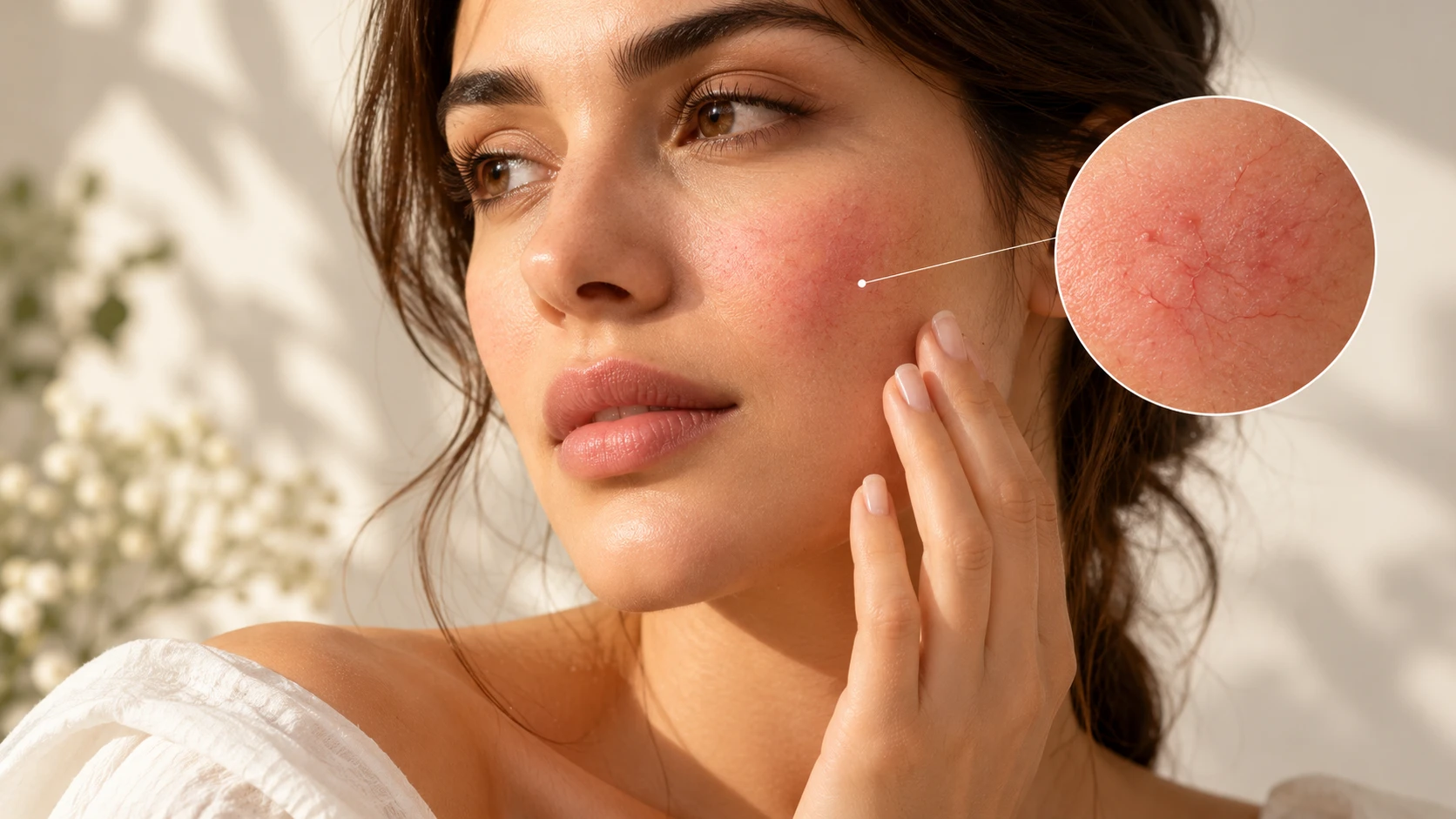
Rosacea is a chronic inflammatory skin condition that manifests as persistent redness, visible blood vessels, and sometimes acne-like bumps, primarily on the face. Effective Rosacea Treatment in Gurgaon: Causes and What Actually Helps focuses on managing symptoms and identifying individual triggers through a personalised, root-cause approach rather than relying on generic surface fixes. Early diagnosis and consistent, evidence-based care are crucial for controlling flare-ups and preventing progression.
Key Takeaways
- Rosacea is a chronic inflammatory skin condition causing redness, visible blood vessels, and bumps, often mistaken for acne.
- Causes are multifactorial, including genetics, immune system dysfunction, and environmental triggers like sun exposure, stress, and certain foods.
- Effective treatment in Gurgaon involves a combination of topical medications, oral antibiotics, and advanced laser therapies like IPL or vascular lasers.
- Identifying and avoiding personal triggers through a detailed physical assessment and lifestyle adjustments is fundamental to managing rosacea.
- House of Aetheria offers an integrative aesthetics approach, coordinating care across dermatology and wellness to address underlying causes.
- Treatments like laser therapy can offer significant long-term relief from redness and visible vessels, but rosacea cannot be permanently cured.
- A proper skincare routine for sensitive, rosacea-prone skin is essential for symptom management and preventing flare-ups.
- Consulting with a qualified dermatologist is critical for an accurate diagnosis and a tailored treatment plan.
What is Rosacea and What Causes It?
Rosacea is a common, chronic inflammatory skin condition characterised by persistent facial redness, visible blood vessels (telangiectasias), and sometimes small, red, pus-filled bumps that can resemble acne. While the exact cause remains unclear, it is understood to be multifactorial, involving a combination of genetic predisposition, immune system dysregulation, environmental factors, and an overactive response of the blood vessels.
Key contributing factors include:
- Genetics: A family history of rosacea significantly increases your risk.
- Immune System Dysfunction: Research suggests that an altered innate immune response may play a role in rosacea development, particularly involving antimicrobial peptides like cathelicidin.
- Demodex Mites: These microscopic mites are a natural inhabitant of human skin, but higher numbers in rosacea patients may contribute to inflammation.
- H. pylori Bacteria: Some studies suggest a link between Helicobacter pylori infection in the gut and rosacea, though this connection is not fully understood.
- Environmental Triggers: Sun exposure, wind, extreme temperatures, hot beverages, spicy foods, alcohol, and certain cosmetic products can all provoke flare-ups.
Understanding these underlying mechanisms is key to a root-cause approach to Rosacea Treatment in Gurgaon, ensuring that treatment addresses more than just surface symptoms.
Best Dermatologists for Rosacea Treatment in Gurgaon
The best dermatologists for rosacea treatment in Gurgaon focus on a personalised plan, combining clinical expertise with an understanding of individual patient triggers. At House of Aetheria, located in Sector 65, Gurugram, our medical team, including Dr. Debjani Chakraborty, Lead Dermatologist & Head of Aesthetics, and Dr. Guneet Bedi, Skin Specialist, provides evidence-based care. They begin with a thorough physical assessment and medical history review to establish a precise diagnosis and tailor treatment specifically to your rosacea type and severity. Their approach moves beyond generic solutions, identifying and addressing the specific factors contributing to your condition. This commitment to detailed analysis ensures that your treatment plan is not just effective but also sustainable.
Rosacea Treatment Cost in Gurgaon
The cost of rosacea treatment in Gurgaon varies significantly based on the severity of your condition, the types of treatments required, and the number of sessions. A comprehensive plan often includes a combination of topical medications, oral prescriptions, and in-clinic procedures. Initial consultations typically range from ₹1,000 to ₹2,500.
Pricing for common treatments:
- Topical/Oral Medications: These are prescription-based and can range from ₹500 to ₹3,000 per month, depending on the specific drug.
- Chemical Peels: Gentle peels designed for sensitive, rosacea-prone skin may cost between ₹2,000 to ₹6,000 per session.
- Laser Treatment: As detailed below, laser therapy for redness and visible vessels is a primary treatment and represents a significant portion of the cost.
A personalised treatment plan, coordinated by a single medical team, will outline the exact costs after a detailed consultation.
Laser Treatment for Rosacea in Gurgaon: How Much Does It Cost?
Laser treatment is one of the most effective ways to manage the redness and visible blood vessels associated with rosacea, with costs in Gurgaon varying by device and session count. Vascular lasers (like Pulsed Dye Laser) and Intense Pulsed Light (IPL) are commonly used to target and reduce the dilated blood vessels that contribute to facial redness.
- IPL (Intense Pulsed Light) Treatment: Costs for IPL can range from ₹7,000 to ₹15,000 per session. Most patients require 3-5 sessions for optimal results.
- Vascular Lasers: Specialised vascular lasers, which are often more precise for specific vessel targeting, may range from ₹8,000 to ₹20,000 per session, with 2-4 sessions typically recommended.
The total cost will depend on the area being treated, the number of sessions needed, and the specific technology utilised. Dr. Guneet Bedi and Dr. Akshay Jain, dermatologists at House of Aetheria, supervise and perform these advanced laser treatments, ensuring patient safety and efficacy.
What Triggers Rosacea Flare-Ups?
Rosacea flare-ups are often provoked by a variety of internal and external factors, and identifying your personal triggers is a cornerstone of effective management. While triggers can vary widely among individuals, common culprits include:
- Sunlight and UV Exposure: Sun exposure is a primary trigger for many, worsening redness and promoting vessel dilation.
- Heat: Hot baths, saunas, vigorous exercise, and even hot weather can cause flushing.
- Spicy Foods and Hot Beverages: These can dilate blood vessels and lead to immediate flushing.
- Alcohol: Especially red wine, is a well-known trigger for many rosacea sufferers.
- Stress and Emotional Factors: Anxiety, anger, and embarrassment can all induce flushing.
- Certain Skincare Products: Products containing alcohol, witch hazel, fragrances, or harsh exfoliants can irritate rosacea-prone skin.
- Wind and Cold: Extreme weather conditions can exacerbate symptoms.
Keeping a diary of your flare-ups and potential triggers can help you and your dermatologist formulate a highly personalised treatment plan.
Rosacea Treatment at Home: Remedies That Actually Work
While clinical treatments are essential for managing rosacea, certain home remedies and lifestyle adjustments can significantly reduce flare-ups and improve skin comfort. These complement professional care by focusing on soothing inflammation and protecting the skin barrier.
Effective home strategies include:
- Gentle Skincare: Use mild, fragrance-free cleansers and moisturisers specifically formulated for sensitive skin. Avoid harsh scrubs, toners, and astringents.
- Sun Protection: Daily application of a broad-spectrum sunscreen (SPF 30 or higher) is critical, even indoors. Choose mineral-based sunscreens with zinc oxide or titanium dioxide.
- Trigger Avoidance: Systematically identify and avoid personal triggers, whether they are specific foods, beverages, environmental factors, or skincare ingredients.
- Cool Compresses: Applying a cool, damp cloth to the face during a flare-up can help reduce redness and burning sensations.
- Dietary Adjustments: Some individuals find relief by reducing intake of spicy foods, alcohol, and very hot beverages. A balanced diet rich in anti-inflammatory foods may also help.
- Stress Management: Techniques like yoga, meditation, or deep breathing exercises can help manage stress, a known rosacea trigger.
Remember, these home remedies are supportive measures and should be used in conjunction with a treatment plan prescribed by a dermatologist.
Difference Between Rosacea and Acne
Rosacea and acne are frequently confused due to their similar presentation of facial redness and bumps, but they are distinct conditions with different underlying causes and treatment approaches. Understanding the distinction is vital for effective Rosacea Treatment in Gurgaon: Causes and What Actually Helps.
Here’s a comparison:
| Feature | Rosacea | Acne Vulgaris |
|---|---|---|
| Primary Age | Typically starts in adults (30s-50s) | Most common in teenagers and young adults |
| Key Symptoms | Persistent facial redness, flushing, visible blood vessels, bumps, pustules. Rarely blackheads/whiteheads. Eye involvement common (ocular rosacea). | Blackheads, whiteheads, papules, pustules, cysts, nodules. Redness is usually secondary to inflammation. |
| Location | Central face (cheeks, nose, forehead, chin) | Face, chest, back, shoulders |
| Triggers | Sun, heat, spicy foods, alcohol, stress | Hormonal fluctuations, oil production, bacteria, diet (less consistently) |
| Skin Type | Often sensitive, easily irritated | Can be oily |
| Scarring | Rare, but phymatous changes (thickened skin) can occur in severe cases | Common (atrophic, hypertrophic, keloid scars) |
| Root Cause | Vascular hyperreactivity, inflammation, immune system, mites | Excess sebum, clogged pores, bacteria, inflammation, hormones |
For persistent facial bumps and redness, a proper diagnosis from a dermatologist is crucial to ensure you receive the correct treatment, whether it's for rosacea or acne treatment in Gurgaon.
Can Rosacea Be Cured Permanently?
Rosacea is a chronic condition, meaning it cannot be cured permanently. However, with consistent and appropriate Rosacea Treatment in Gurgaon: Causes and What Actually Helps, its symptoms can be effectively managed, flare-ups minimised, and progression prevented. The goal of treatment is to keep the condition in remission for as long as possible and to significantly improve the skin's appearance and comfort.
Treatments focus on:
- Reducing redness and visible blood vessels.
- Clearing bumps and pustules.
- Minimising discomfort like burning or stinging.
- Preventing the thickening of skin (rhinophyma) in severe cases.
Long-term management involves a combination of prescribed medications, laser therapies, and strict adherence to trigger avoidance and a gentle skincare routine.
Best Skincare Routine for Rosacea-Prone Skin
Developing the best skincare routine for rosacea-prone skin is fundamental to managing symptoms and preventing irritation. Simplicity, gentleness, and barrier protection are key. Dr. Guneet Bedi recommends avoiding harsh ingredients and focusing on calming, hydrating formulations.
A recommended routine includes:
- Cleansing: Use a mild, non-foaming, fragrance-free cleanser twice daily. Gently massage onto the skin with fingertips and rinse with lukewarm water. Avoid hot water, which can trigger flushing.
- Moisturising: Apply a rich, soothing, fragrance-free moisturiser immediately after cleansing to lock in hydration and support the skin barrier. Look for ingredients like ceramides, hyaluronic acid, and niacinamide.
- Sun Protection: This is non-negotiable. Apply a broad-spectrum mineral sunscreen with at least SPF 30 every morning. Zinc oxide and titanium dioxide are typically well-tolerated. Reapply throughout the day if outdoors.
- Targeted Treatments: Apply any prescribed topical medications as directed by your dermatologist.
- Ingredient Avoidance: Stay away from products containing alcohol, witch hazel, menthol, camphor, fragrance, sodium lauryl sulfate, and harsh physical exfoliants.
Patch testing new products on a small area of skin before full facial application is always a good practice for sensitive skin.
Rosacea Treatment Options: Laser vs. Medication
Rosacea treatment typically involves a combination of approaches, with both laser therapies and medications playing distinct but complementary roles. The choice depends on the specific type and severity of your rosacea, as determined during a physical assessment.
- Medications:
- Topical Medications: Prescribed gels or creams containing ingredients like metronidazole, azelaic acid, or ivermectin are excellent for reducing inflammation, redness, and bumps. These are often the first line of defence and require consistent daily use.
- Oral Medications: Low-dose oral antibiotics (e.g., doxycycline) are used for their anti-inflammatory effects, not primarily for their antibiotic action, to manage moderate to severe papules and pustules.
- Laser Treatment:
- Vascular Lasers/IPL: These are particularly effective for addressing persistent facial redness, flushing, and visible blood vessels (telangiectasias). Lasers work by selectively targeting the hemoglobin in the blood vessels, causing them to shrink and become less noticeable. Lasers do not treat the underlying inflammatory component as effectively as medications.
Often, an integrative aesthetics approach combines topical or oral medications to control inflammation and bumps, with laser treatments used concurrently or subsequently to clear residual redness and visible vessels, leading to more comprehensive results.
Who Should Not Use Rosacea Medications?
While rosacea medications are generally safe and effective, certain individuals may need to avoid specific treatments due or use them with caution. It is crucial to disclose your full medical history and all current medications during your consultation.
General considerations:
- Pregnancy and Breastfeeding: Some oral medications (e.g., certain antibiotics) are contraindicated during pregnancy or breastfeeding due to potential risks. Topical medications are generally safer but should always be discussed with a doctor.
- Specific Drug Allergies: Individuals with known allergies to any component of a medication should avoid it.
- Liver or Kidney Impairment: Certain oral medications may require dose adjustments or be contraindicated in patients with significant liver or kidney disease.
- Photosensitivity: Some medications can increase skin sensitivity to the sun, requiring extra diligent sun protection.
- History of Eye Conditions: While rosacea can affect the eyes, specific treatments may need careful consideration if you have other pre-existing eye conditions.
Your dermatologist will conduct a thorough review to determine the safest and most effective medication regimen for your individual health profile.
Common Mistakes People Make Treating Rosacea
Many individuals make common mistakes when attempting to treat rosacea, which can worsen their condition or delay effective management. These errors often stem from self-diagnosis or a lack of understanding of rosacea's unique characteristics.
Common mistakes include:
- Mistaking it for Acne: Treating rosacea with harsh acne products (like salicylic acid or benzoyl peroxide) can severely irritate rosacea-prone skin, causing more redness and inflammation. Acne Treatment in Gurgaon and rosacea treatment require distinct approaches.
- Ignoring Triggers: Failing to identify and actively avoid personal triggers will lead to recurring flare-ups, negating the benefits of clinical treatments.
- Over-Exfoliating or Using Harsh Products: Aggressive scrubbing or products containing alcohol, fragrances, or strong acids damage the already compromised skin barrier, leading to increased sensitivity and redness.
- Discontinuing Treatment Prematurely: Rosacea is chronic. Stopping medications or laser sessions once symptoms improve often leads to relapse. Consistent, long-term management is key.
- Skipping Sunscreen: Neglecting daily sun protection is a major error, as UV exposure is one of the most significant triggers for rosacea.
- Self-Medicating: Using over-the-counter remedies without professional guidance can be ineffective or even harmful.
A precise diagnosis and a personalised treatment plan coordinated by a medical team are essential to avoid these pitfalls.
Rosacea Treatment for Sensitive Skin
Rosacea treatment for sensitive skin requires an exceptionally gentle and considered approach, prioritising barrier repair and anti-inflammatory action while avoiding irritation. Many rosacea patients naturally have sensitive skin, making ingredient choice critical.
Key strategies include:
- Minimalist Skincare: Opt for a simple routine with few products to reduce the chance of adverse reactions.
- Hypoallergenic Products: Choose cleansers, moisturisers, and sunscreens labelled as "for sensitive skin," "fragrance-free," and "non-comedogenic."
- Mineral Sunscreen: Zinc oxide and titanium dioxide-based sunscreens are typically better tolerated than chemical sunscreens.
- Soothing Ingredients: Look for ingredients known for their calming properties, such as niacinamide, ceramides, hyaluronic acid, aloe vera, and green tea extract.
- Prescribed Topicals: Your dermatologist may prescribe topical medications specifically chosen for their gentle action and efficacy on sensitive skin. These are often used at lower concentrations initially.
- Avoidance of Irritants: Strictly avoid ingredients like alcohol, witch hazel, strong acids (glycolic, salicylic in high concentrations), and physical exfoliants.
At House of Aetheria, our dermatologists emphasise a root-cause approach, ensuring that even the most sensitive skin receives effective, tailored care that respects its delicate nature.
How Long Does Rosacea Treatment Take to Show Results?
The timeline for seeing results from rosacea treatment varies significantly depending on the type of rosacea, its severity, the specific treatments used, and individual patient response. Generally, patients can expect to see initial improvements within weeks, but comprehensive results take longer.
- Topical Medications: You might notice a reduction in bumps and redness within 2-4 weeks, with optimal results appearing after 8-12 weeks of consistent use.
- Oral Medications: Anti-inflammatory oral antibiotics can start to show effects on papules and pustules within 2-3 weeks, with full benefits emerging over 6-12 weeks.
- Laser/IPL Treatments: Redness and visible blood vessels may show initial improvement after the first session, but typically 3-5 sessions spaced several weeks apart are needed to achieve significant and lasting reduction. The full effect of a series of laser treatments can be assessed a few weeks after the final session.
Consistency in adhering to the personalised treatment plan, along with diligent trigger avoidance and skincare, is essential for achieving and maintaining the best possible outcomes. Rosacea management is a long-term commitment, not a quick fix.
Conclusion
Effective Rosacea Treatment in Gurgaon: Causes and What Actually Helps involves a sophisticated, personalised strategy that moves beyond simply treating visible symptoms. By understanding the multifactorial causes of rosacea and addressing them with a root-cause approach, patients can achieve significant, lasting improvement in their skin's appearance and comfort. From advanced laser therapies to carefully selected medications and crucial lifestyle adjustments, a coordinated effort by a medical team ensures comprehensive care. If you are struggling with persistent redness or bumps, a consultation can provide the clarity and direction needed to manage your condition effectively.