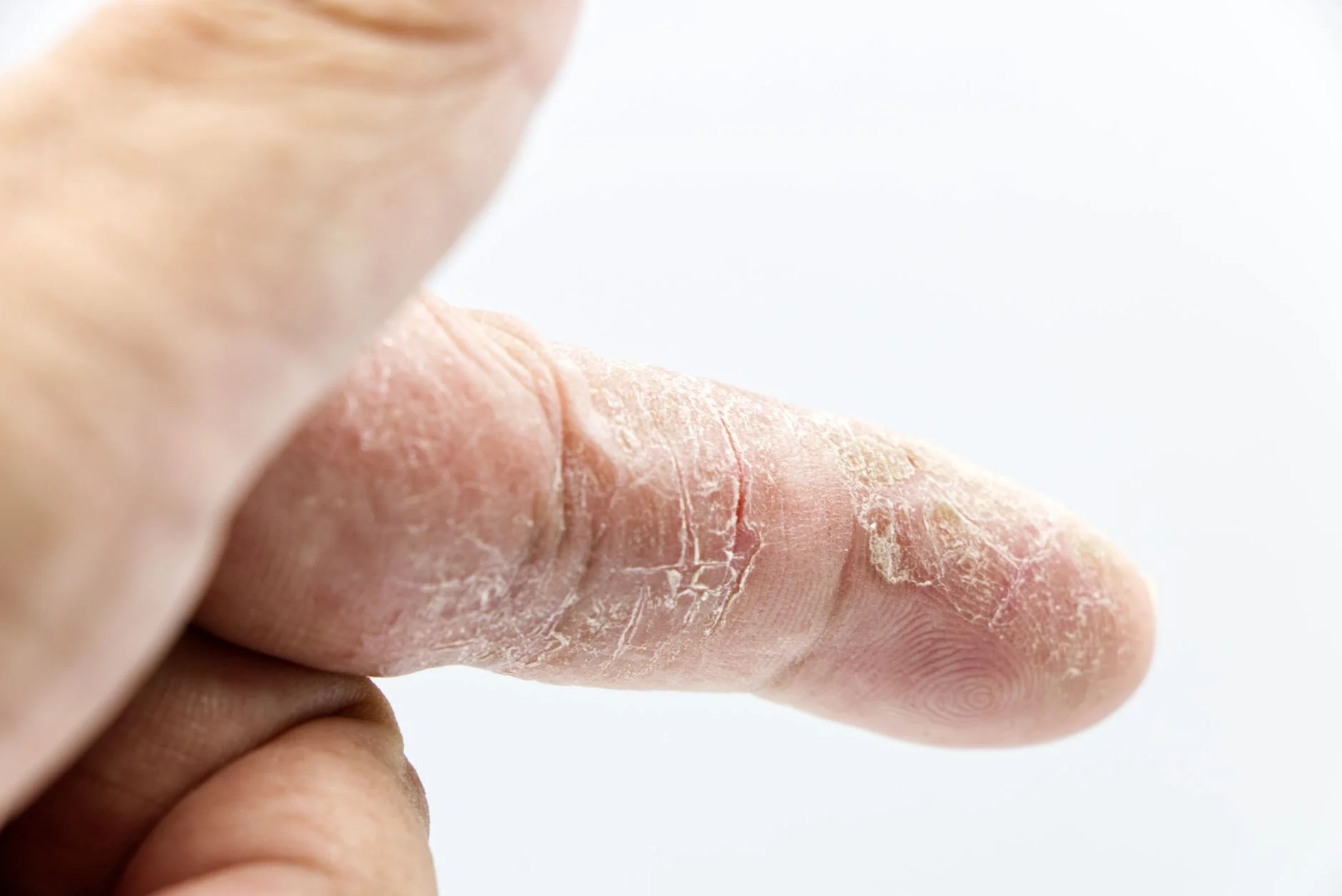
November in Gurgaon and the familiar pattern starts. The skin feels tight by mid-morning. The moisturiser applied at 7am has stopped doing anything by 10am. The lips are dry by afternoon. By January, the cheeks are flaking despite a routine that never failed in August. The answer is not that the moisturiser is wrong. It is that the environment has changed faster than any topical application can compensate for — and the Gurgaon winter creates a specific set of atmospheric conditions that defeat the surface-level approach most people use. Understanding the mechanism is the first step toward fixing it.
What Gurgaon winters do to skin that moisturiser cannot fix
The Delhi-NCR winter combines two conditions that are independently damaging and compound each other: cold temperatures reduce the skin's lipid production (the natural oils that seal moisture in the outermost layer), and low relative humidity — Gurgaon drops to 30–40% humidity on some winter mornings — creates a steep moisture gradient between the skin surface and the air. This gradient pulls water out of the epidermis through a process called transepidermal water loss (TEWL). Moisturisers address this by applying hydrating agents to the surface and attempting to seal it with occlusives. But when TEWL rate is high enough, this is a losing battle: the moisture is pulled out faster than any topical can replace it. Add indoor heating and air conditioning (common in Gurgaon offices throughout winter) and the stripping effect compounds further.
The barrier repair principle: why your skin needs more than moisture
The key insight is that dry skin in winter is primarily a barrier integrity problem, not a hydration problem. A compromised skin barrier — the stratum corneum's lipid matrix — cannot retain moisture regardless of how much water is applied to the surface. Effective winter skin management requires rebuilding the barrier structure, not just replenishing moisture on top of a damaged one. The three components of this are:
- Ceramide replenishment: ceramides are the lipids that form the intracellular 'mortar' of the skin barrier. Cold weather depletes them. Topicals containing ceramides (alongside cholesterol and fatty acids in the correct ratio) genuinely rebuild barrier structure rather than just coating the surface.
- Humectant layering: hyaluronic acid, glycerin, and urea are humectants — they draw water into the skin rather than coating it. Applied under an occlusive layer, they hydrate more durably than an occlusive alone.
- Occlusive sealing: petrolatum, dimethicone, and heavier balms create a physical barrier over repaired skin that dramatically reduces TEWL. In very dry conditions, this outer layer is essential for durable results.
| Product/Treatment Layer | Function | When to Apply | Best For Gurgaon Winter |
|---|---|---|---|
| Humectant serum (HA, glycerin) | Draws water into epidermis | Onto damp skin, morning and evening | All skin types; apply before any heavier product |
| Ceramide moisturiser | Repairs lipid barrier structure | After humectant; morning and evening | Barrier-compromised, sensitive, reactive skin |
| Occlusive (balm/ointment) | Seals barrier, reduces TEWL | Final step at night; small amount on dry patches | Severely dry, flaking, or eczema-prone skin |
| Clinical skin booster (Profhilo) | Deep HA delivery; collagen + elastin stimulation | In-clinic; 2 sessions 4 weeks apart | Patients needing deeper structural hydration |
| HydraFacial | Deep cleanse + simultaneous hydration infusion | Monthly in-clinic session | Oily-yet-dry combination skin needing reset |
When clinical intervention becomes the answer
There is a point at which the skin's barrier has been compromised for long enough that topical products cannot restore it without clinical support. Persistent winter dryness that does not respond to correctly layered topicals, or skin that becomes sensitised, reactive, or visibly inflamed despite a reasonable winter routine, typically has underlying barrier dysfunction that needs in-clinic treatment to address. The most effective clinical interventions for Gurgaon winter dryness are:
- Skin boosters at House of Aetheria (Profhilo or equivalent): non-cross-linked hyaluronic acid delivered by micro-injection stimulates the skin's own collagen and elastin production. The result is improved intrinsic hydration that is not dependent on surface application — the skin becomes better at retaining moisture from within. Two sessions in October or November provide winter-long structural hydration for most patients.
- HydraFacial for hydration: a non-irritating, pressurised cleanse and simultaneous hydrating serum infusion that resets surface congestion and infuses hyaluronic acid and peptides at depth. Monthly maintenance through the winter months prevents the progressive dryness cycle that compounds across the season.
- LED therapy (red light, Celluma): anti-inflammatory and collagen-stimulating, particularly useful for reactive, sensitised winter skin that cannot tolerate active treatments. Calms barrier stress while supporting repair.
"The patients who manage Gurgaon winters best are those who switch their thinking from 'apply more product' to 'support the barrier.' A skin booster session in October changes the whole winter. Instead of chasing dryness with increasingly heavy creams that eventually stop working, the skin's own hydration mechanism is strengthened from the inside. The two sessions we do in autumn carry most of my patients comfortably through February without the seasonal flaking and tightness they had accepted as normal." — Dr. Debjani Chakraborty, Lead Dermatologist & Head of Aesthetics, House of Aetheria
The routine shift that makes the biggest immediate difference
Switch to washing your face with lukewarm water only, not hot. Hot water strips the lipid barrier in under sixty seconds — the single fastest route to winter dryness that most patients maintain unconsciously. Apply your humectant serum within sixty seconds of washing, while the skin surface still retains some moisture. In Gurgaon's winter air, skin loses moisture from the surface within two minutes of exposure if not sealed. The sequence matters more than the product price point.
If your skin feels tight, flaky, or reactive every winter regardless of your routine, book a winter skin consultation at House of Aetheria, Sector 65. We assess barrier integrity, identify whether topicals are sufficient or clinical support is needed, and build a protocol that covers you through the season rather than just the next application.