Most acne-prone skin doesn't fail because of a lack of products. It fails because of the wrong ones — applied in the wrong order, at the wrong frequency, by people who were told to scrub harder and layer more. The best facial for acne isn't the most aggressive one. It's the one calibrated precisely to your skin.
Clinic waiting rooms in Gurgaon are full of people who came in after six months of DIY — home remedies, scrubs, turmeric masks, Instagram serums — and ended up with a damaged skin barrier, deeper congestion, and post-acne marks that are often harder to treat than the acne itself. That's not a failure of effort. It's a failure of approach.
Three clinical facials consistently deliver real results for acne-prone skin: HydraFacial, chemical peels, and laser toning. Each works differently. Each suits a different skin picture. And none of them is the right answer for everyone — which is exactly what this article is designed to clarify.
Why Most Home Remedies Make Acne Worse
Acne is not a dirt problem. It's a pore architecture problem — excess sebum, dead skin cells, and bacteria combining under the skin surface to create the conditions for a breakout. Scrubbing the skin doesn't resolve that. It strips the acid mantle, triggers more sebum production as a compensatory response, and introduces micro-abrasions that allow bacteria to spread. Turmeric and toothpaste don't penetrate beyond the surface. Benzoyl peroxide, used without guidance, can bleach skin and cause significant barrier damage in Indian skin tones.
The skin barrier, once damaged, becomes the primary problem. A compromised barrier is reactive, sensitised, and slow to heal. Any treatment — clinical or otherwise — applied to a broken barrier produces unpredictable results.
This is why the starting point for any effective acne skin treatment in Gurgaon is always an assessment first. Not a menu of options.
HydraFacial for Acne-Prone Skin — Deep Clean Without Damage
Treatment 01
HydraFacial
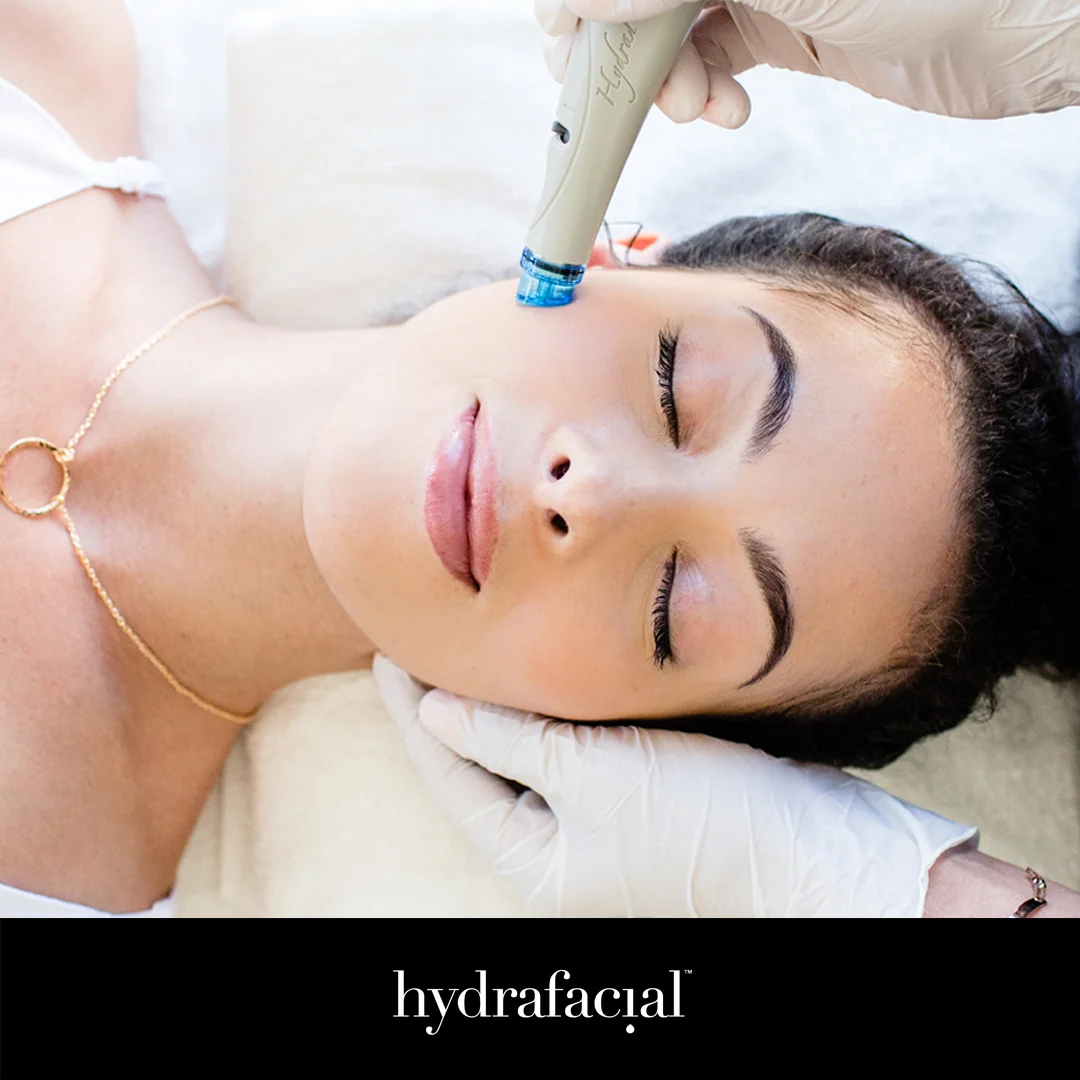
The HydraFacial works through a patented vortex technology — simultaneous exfoliation, extraction, and serum infusion in a single continuous motion. It doesn't use heat, needles, or abrasive crystals. Congestion is drawn out rather than forced, which makes it one of the few extraction-based treatments that doesn't leave skin red and reactive for days afterwards.
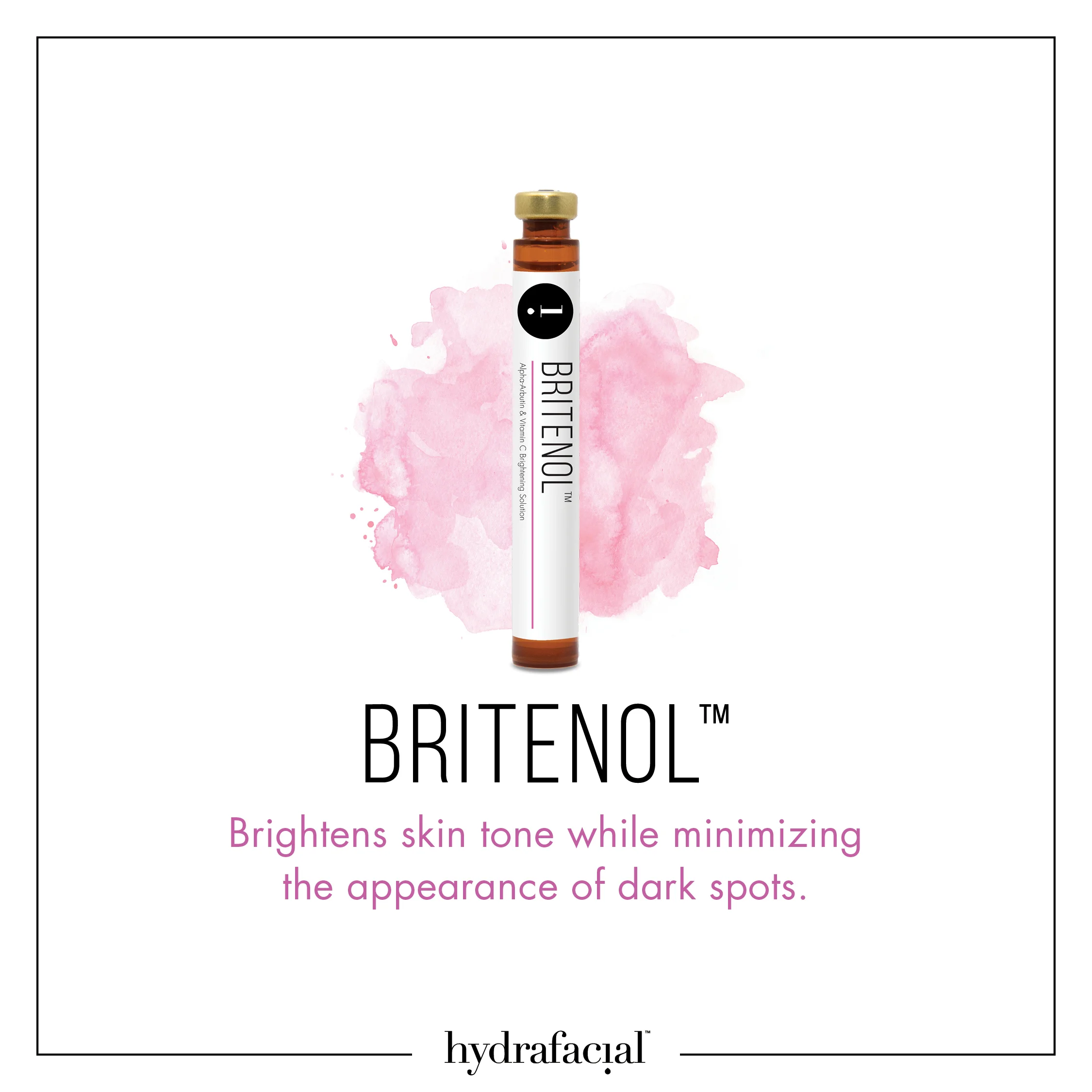
For acne-prone skin, the key step is the salicylic-glycolic acid peel blend applied during the cleansing phase — it dissolves the keratin plug at the top of a clogged pore without the downtime of a standalone chemical peel. Following that, targeted serums are infused directly — the Beta-HD booster (salicylic acid + evening primrose) for active congestion, or the Britenol booster for post-acne marks.
Best suited for: Mild to moderate active acne, congested skin, oily or combination skin, first-time clinical skin patients, those who cannot afford downtime. Also well-tolerated during active breakouts when extraction-based treatments would otherwise be contraindicated.
What to expect: Immediate visible reduction in congestion and a noticeable improvement in skin texture after a single session. A course of four to six sessions, spaced two to three weeks apart, delivers the most sustained clearance. No peeling, no redness beyond a few hours.
Chemical Peels for Acne — Clinical Strength, Correctly Chosen
Treatment 02
Chemical Peel
A chemical peel applies an acid solution to the skin for a controlled period — dissolving the bonds between dead skin cells and accelerating turnover at a depth that no home exfoliant can reach. For acne-prone skin, the acids of choice are salicylic acid (lipid-soluble, penetrates the sebaceous follicle directly), glycolic acid (for surface renewal and pigmentation), and mandelic acid (for sensitive or darker Indian skin tones that react badly to stronger acids).
The depth and acid type are chosen based on the skin's current condition — a medium-depth peel on active inflamed acne will worsen it. This is the most common error when people search for a chemical peel near me and book based on price rather than clinical suitability.
When applied correctly to the right skin presentation, a clinical peel clears congestion, reduces sebaceous activity, and — critically — starts addressing the post-inflammatory hyperpigmentation that acne leaves behind. Published clinical data on salicylic acid peels confirms their efficacy in reducing both comedonal and inflammatory acne lesions.
Best suited for: Moderate acne with surface congestion, skin with early post-acne pigmentation, oily skin with open pores, individuals who can manage 3–5 days of mild peeling. Not recommended during active inflamed breakouts or on a compromised barrier.
What to expect: Light flaking or peeling for two to five days post-treatment, depending on acid strength. Visible improvement in clarity and texture within a week. A series of four to six peels spaced three to four weeks apart is the standard protocol for meaningful clearance.
Laser Toning for Acne and Pigmentation — Precision at Depth
Treatment 03
Laser Toning
Laser toning uses a Q-switched Nd:YAG laser to deliver energy at specific wavelengths — targeting melanin deposits in the skin and simultaneously reducing sebaceous gland activity. It is the treatment of choice when pigmentation is the primary concern alongside acne, or when the skin presentation is too sensitive for peels.
At 1064nm, the laser passes through the epidermis without burning it, selectively heating melanin granules and breaking them apart for gradual clearance. Sebaceous glands are modulated — not destroyed — which reduces the oil overproduction that drives breakouts without permanently altering the skin's barrier function.
For post-acne pigmentation that has persisted beyond six months and sits deeper in the dermis, laser toning is often the only treatment with the reach to make a visible difference. Clinical studies on Q-switched Nd:YAG in Fitzpatrick IV–VI skin types — which covers most North Indian skin tones — show strong outcomes with low risk of post-inflammatory hyperpigmentation when protocols are followed correctly.
Best suited for: Post-acne pigmentation and dark marks, sebaceous hyperplasia, acne with oiliness rather than active pustules, individuals with darker skin tones where chemical peels carry higher risk. Not a first-line treatment for active inflamed acne.
What to expect: Minimal discomfort — described as a mild heat sensation. No peeling. A very slight darkening of pigmented spots for four to seven days before they lighten. A minimum of six to eight sessions is standard for pigmentation clearance.
Post-Acne Pigmentation — The Problem That Outlasts the Breakout
Active acne clears. The marks it leaves frequently don't — at least not without targeted pigmentation treatment. Post-inflammatory hyperpigmentation (PIH) is a brown or reddish discolouration that forms as the skin's inflammatory response produces excess melanin during the healing process. In Indian skin tones, which have a naturally higher melanin density, this response is amplified — and the marks can persist for months or years without treatment.
Home brightening products — vitamin C, niacinamide, kojic acid — can lighten surface-level pigmentation incrementally over several months. They cannot reach pigment deposited in the mid-dermis. That requires either a series of chemical peels with the right acid profile, or laser toning — both of which should be chosen based on how deep the pigmentation sits and the patient's skin tone.
A compounding factor in Gurgaon specifically: sun exposure here is significant year-round, and UV light is the primary driver of PIH persistence. Without consistent, broad-spectrum SPF as part of any pigmentation protocol, no clinical treatment will hold its results. This is not a small caveat — it is the single biggest reason treatment outcomes plateau.
The right treatment for post-acne marks depends on their depth, your skin tone, and whether active acne is still present. Applying the wrong treatment to the wrong profile doesn't just fail — it can make pigmentation worse.
How to Choose — An Honest Comparison
No single treatment is the best facial for acne across the board. The choice depends on what your skin is actually doing right now.
Active acne with congestion, no significant pigmentation: Start with HydraFacial. Clear the congestion, restore the barrier, stabilise the skin before introducing anything stronger.
Acne controlled but post-acne marks and uneven texture: A salicylic or mandelic peel series, combined with home-care brightening. Laser toning if marks are deeper or on darker skin.
Persistent pigmentation despite previous treatments, oily skin with large pores: Laser toning — possibly in combination with a light peel between sessions.
Skin that is sensitised, reactive, or post-barrier damage: None of the above, yet. The first step is barrier repair — a stripped protocol of gentle cleanser, ceramide moisturiser, and SPF. Clinical treatments come after the barrier is stable.
What to Expect at a Skin Consultation at House of Aetheria
At House of Aetheria, Sector 65, Gurgaon, every skin treatment begins with a clinical assessment by Dr. Guneet Bedi, MD DDVL — our dermatologist. She examines the skin's current condition, asks about the history of treatments tried, identifies whether any internal factors (hormonal patterns, diet, gut health) are driving the breakouts, and builds a protocol from that assessment — not from a treatment menu.
That means some patients leave with a HydraFacial series. Some with a peel protocol and a prescription for home-care. Some with laser toning. Some with a referral to our internal medicine team before any skin treatment begins, because the skin is showing signs of a systemic driver that no facial will resolve on its own.
Acne-prone skin is almost never a single-variable problem. The most effective treatment approach reflects that complexity — and that is what a proper skin consultation is designed to uncover.