Key Takeaways
- Morpheus8 penetrates 4–8mm into the subdermis — significantly deeper than standard RF microneedling (0.5–3.5mm) and HIFU, making it the only device that can remodel subdermal fat.
- HIFU targets the SMAS layer — ideal for jawline lifting and brow elevation, but it cannot treat acne scars, open pores, or superficial skin texture.
- Standard RF microneedling achieves comparable textural improvement to Morpheus8 for acne scars and open pores — the premium is only justified when subdermal remodelling is also needed.
- House of Aetheria does not offer Morpheus8. We offer HIFU and Cellina MNRF (RF microneedling), so this comparison is written to help you judge any clinic’s advice, ours included.
- Combining two devices in one protocol is frequently more effective than choosing a single device — but only when clinically indicated by a physician, not upsold at the front desk.
You've been researching for weeks. You've seen three different clinics mention three different devices, each claiming to be "the best" for skin tightening. One says Morpheus8 is the gold standard. Another pushes HIFU as a non-surgical facelift. A third recommends RF microneedling at a fraction of the cost. Every Instagram reel makes them all look identical. You're left wondering whether you're about to pay a premium for something a simpler treatment does equally well. Or worse, whether you'll pay for something that doesn't address your actual concern. This confusion is the most common thing we hear in consultations at Aetheria. So let's settle it properly.
A note before we start: House of Aetheria does not offer Morpheus8. We offer HIFU and radiofrequency microneedling (Cellina MNRF). We have written this as an honest comparison of all three, so you can judge any clinic’s recommendation, including ours.
Three Devices, Three Depths, Three Purposes
0.5–3.5mm
3.5–8mm
4.5mm+
All three treatments use energy to stimulate collagen. That's where the similarity ends. The critical difference lies in how deep each device works, what tissue layer it targets, and what clinical problem it's best suited to solve. Think of your skin as a building. RF microneedling renovates the walls (the dermis). Morpheus8 renovates the walls and restructures the foundation underneath (subdermis and fat). HIFU bypasses the walls entirely and tightens the structural cables holding the building up (the SMAS layer).
Understanding this layered distinction is what separates a treatment that transforms your face from one that just empties your wallet. Let's break each one down with clinical specifics.
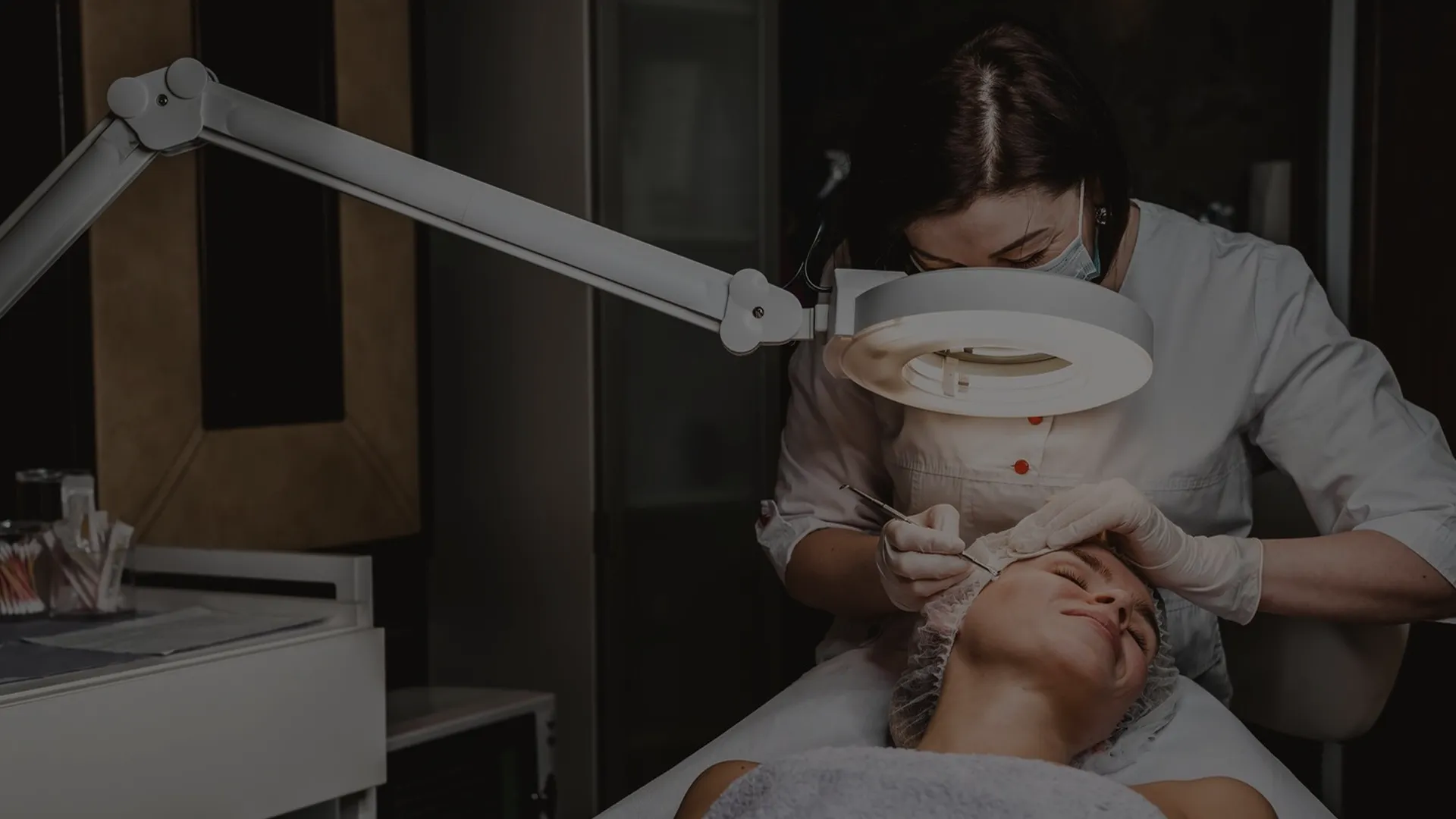
Morpheus8: Fractional RF That Reaches the Fat Layer
Morpheus8 is a fractional radiofrequency device by InMode that delivers RF energy through gold-plated microneedles. What makes it distinct from standard RF microneedling is depth. The needles penetrate 4 to 8mm, reaching well past the dermis into subcutaneous fat. This means it doesn't just tighten skin. It remodels the adipose layer underneath, a process called subdermal adipose remodeling (SARD).
In July 2024, Morpheus8 received expanded FDA clearance specifically for soft tissue contraction. This validated what clinicians had observed for years: the device produces measurable skin tightening, not just textural improvement.
— FDA 510(k) clearance, InMode Ltd., July 2024
A 2025 study published in PMC evaluated low-energy Morpheus8 combined with nanofat grafting in 20 patients aged 20 to 45. The mean GAIS score was 1.7 at 6 to 12 months, indicating consistent improvement in facial rejuvenation. The adjustable depth settings (0.5mm to 8mm) and 30 RF energy levels give the treating physician granular control. Burst mode allows multi-layer penetration in a single pass.
What Morpheus8 Treats Best
- Mild-to-moderate facial laxity, particularly along the jawline and lower face
- Enlarged pores and uneven skin texture
- Early jowling and submental fullness
- Under-eye skin laxity (with specialized tips)
- Body skin tightening, including arms and abdomen
The typical Morpheus8 protocol involves 2 to 4 sessions spaced 4 to 6 weeks apart. Each session takes 15 to 60 minutes for the face and neck, with topical anaesthetic applied 45 to 60 minutes before the procedure. Downtime ranges from 1 to 6 days depending on energy and depth used. Most patients see initial results at 5 to 7 days, with optimal collagen remodeling at 3 months.
HIFU: Ultrasound Energy That Targets the SMAS Layer
HIFU stands for High-Intensity Focused Ultrasound. Devices like Ultherapy and Ultraformer III deliver focused ultrasound energy to depths of 3mm and 4.5mm. The 4.5mm depth is what matters. It reaches the SMAS (superficial musculoaponeurotic system), the same fascial layer that plastic surgeons manipulate during a surgical facelift.
HIFU creates precise thermal coagulation points in the SMAS, triggering a wound-healing response that contracts and tightens this deep structural layer. The overlying skin is pulled upward as a result. This is not a textural treatment. It does very little for pores, scars, or surface-level concerns. It is specifically a lifting treatment.
What HIFU Treats Best
- Visible facial sagging, especially along the mid-face and jawline
- Jowl formation and loss of mandibular definition
- Neck laxity and the early appearance of banding
- Brow drooping (a subtle but measurable lift is achievable)
HIFU typically requires 1 session, repeated every 12 to 18 months. Downtime is minimal. Some patients experience tenderness for a few days, and rare reports mention temporary numbness lasting several weeks. Results appear gradually over 3 to 6 months as deep collagen contracts.
RF Microneedling (MNRF): The Workhorse for Texture and Scars
Standard RF microneedling devices like Endymed, Genius, and Profound deliver radiofrequency energy through microneedles at 0.5 to 3.5mm depth. This targets the dermis. It's a collagen induction therapy that excels at resurfacing and remodeling the skin's mid-layer without reaching the fat or SMAS.
What RF Microneedling Treats Best
- Acne scarring (boxcar, rolling, and shallow icepick scars)
- Open pores across the cheeks and nose
- Post-traumatic scars and uneven skin texture
- Early skin laxity in patients under 35
- General skin tightening in patients not yet ready for deeper intervention
The protocol is 3 to 6 sessions spaced 4 weeks apart. Downtime is 24 to 48 hours. The treatment is the most accessible of the three. For acne scarring specifically, it remains the most cost-effective energy-based treatment available.
The Head-to-Head Comparison
Morpheus8
- Depth: 4–8mm (subdermis + fat)
- Target: Texture + contouring + moderate laxity
- Sessions: 2–4 (spaced 4–6 weeks)
- Downtime: 1–6 days
- Best for: Multi-concern patients wanting one device
HIFU
- Depth: 3–4.5mm (SMAS layer)
- Target: Deep lifting and facial tightening
- Sessions: 1 (repeat every 12–18 months)
- Downtime: Minimal (tenderness for days)
- Best for: Visible sagging as the primary concern
RF Microneedling (MNRF)
- Depth: 0.5–3.5mm (dermis)
- Target: Texture, pores, scars, early laxity
- Sessions: 3–6 (spaced 4 weeks)
- Downtime: 24–48 hours
- Best for: Acne scars, open pores, budget-conscious patients
How to Decide
- Scars and pores only → RF microneedling
- Texture + contouring + mild laxity → Morpheus8
- Sagging and loss of jawline → HIFU
- Multiple concerns → Combination protocol (most common)
Why This Choice Is Harder in Delhi-NCR Than Anywhere Else
Gurugram's aesthetic market is saturated with clinics offering energy-based skin treatments, and the marketing can be misleading. We see patients who were sold HIFU for acne scars (it does nothing for scars) or Morpheus8 at aggressive settings for a 28-year-old with mild texture concerns (standard RF microneedling would have achieved the same result). India's radiofrequency device segment is expanding faster than any other category in the aesthetic devices market, which means more clinics have these machines. That doesn't mean more clinics know how to select the right one for each patient.
The most common mistake patients make before consulting any clinic is assuming all three treatments are interchangeable. They are not, and the right answer is often a different device or a combination protocol.
For Indian skin types (Fitzpatrick IV to V), there's an added layer of consideration. Aggressive energy settings on melanin-rich skin increase the risk of post-inflammatory hyperpigmentation and grid marks. These complications are almost always operator-dependent. Studies consistently show that the treating physician's understanding of depth, energy, and pass count matters more than the brand of the device. In NCR's climate, where pollution and UV exposure drive chronic low-grade inflammation, post-procedure skin is also more vulnerable. We adjust post-treatment protocols accordingly, including strict sun protection and barrier repair for 7 to 14 days.

The Real Risk Patients Don't Hear About: Unwanted Volume Loss
This deserves its own section because it's a recurring concern on forums like RealSelf and Reddit, and it's a legitimate one. Morpheus8 at high-energy settings can cause fat atrophy in the treated area. For the lower face and jawline, some degree of fat remodeling is the goal. But in areas like the mid-face and temples, unwanted fat loss leads to a hollowed, aged appearance. This risk is almost entirely provider-dependent. A careful provider will not use aggressive depth settings in the mid-face without first assessing the patient's existing fat volume. For patients with naturally lean faces, providers sometimes combine RF with volume-preserving treatments like Sculptra or nanofat grafting rather than treating aggressively with RF alone.
Frequently Asked Questions
Does House of Aetheria offer Morpheus8?
No. We do not offer Morpheus8. For skin tightening we offer HIFU, and for texture, scars and pores we offer radiofrequency microneedling with the Cellina MNRF system. Costs depend on the area and the number of sessions, so they are confirmed after a consultation, and we do not quote prices online.
Is Morpheus8 treatment painful and what does the downtime look like?
Topical anaesthetic cream is applied 45 to 60 minutes before the procedure, which makes the treatment tolerable for most patients. You'll feel a warm pricking sensation, particularly at higher energy levels. Downtime involves pinpoint bleeding and redness that resolves in 24 to 72 hours. At deeper settings, mild swelling can last 3 to 6 days. Patients are usually advised to avoid social commitments for 48 to 72 hours after treatment.
How long do Morpheus8 results last, and will I need maintenance sessions?
Results become visible at 5 to 7 days and continue improving for 3 to 6 months as new collagen matures. In most cases, results last 12 to 18 months. Many providers suggest a single maintenance session annually for patients who want to sustain the tightening effect. The collagen your body builds is real, but aging, gravity, and NCR's environmental stressors continue working against you.
What is the difference between Morpheus8 and traditional RF microneedling?
Standard RF microneedling reaches 0.5 to 3.5mm (the dermis). Morpheus8 reaches 4 to 8mm (the subdermis and fat layer). This deeper penetration allows Morpheus8 to address skin laxity and perform subdermal adipose remodeling, which traditional MNRF cannot do. For purely textural concerns like acne scars and open pores, the additional depth of Morpheus8 offers no meaningful advantage over standard radiofrequency microneedling devices.
Morpheus8, HIFU, or RF Microneedling: Which Is Right for You?
The patient who walked in confused about whether to get Morpheus8, HIFU, or RF microneedling usually walks out with clarity in under 45 minutes. The answer comes from the consultation, not the device menu. What's your primary concern: sagging and laxity, texture and scars, or both? What's your budget and tolerance for downtime? What's your skin type and risk profile for PIH? Those three questions typically point to one treatment or a sensible combination. If a clinic skips that conversation and recommends Morpheus8 in the first five minutes, that's the signal to walk out.
At House of Aetheria, Dr. Debjani Chakraborty assesses each patient individually before recommending any energy-based device. We offer HIFU and RF microneedling (Cellina MNRF), and we do not offer Morpheus8. If RF microneedling is the right answer for you, that's what you'll hear. Book a skin consultation at our Sector 65 clinic and come with your questions.